A Tea Sommelier’s Guide to Taipei: The Three Tiers of Taiwan’s Capital
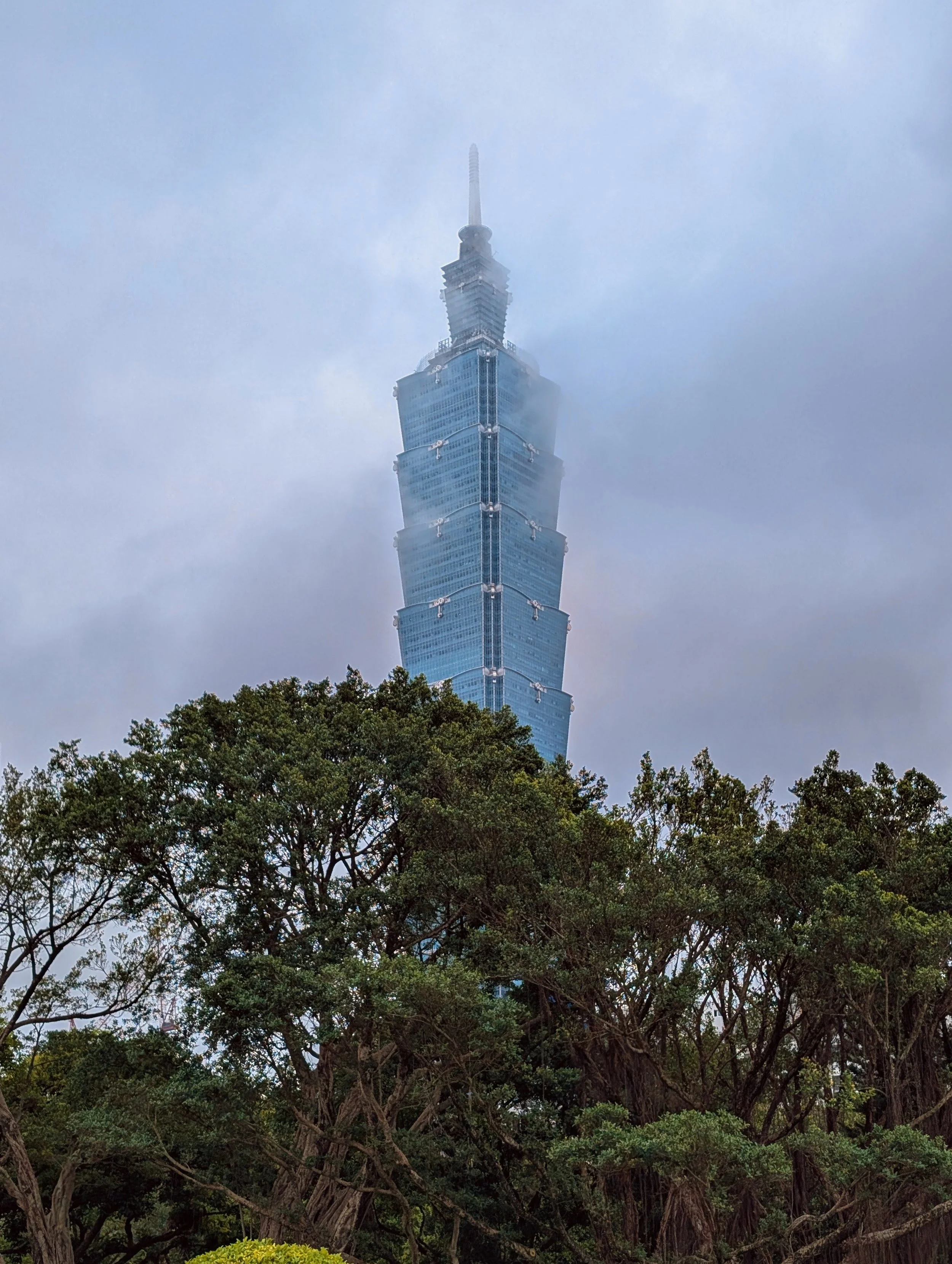
When you land in Taipei, the presence of tea is immediate. But to truly understand the tea culture here, you have to realize it is not a monolith—it is a spectrum. During my late March trip to the city, I spent my days evaluating cultivars, capturing the visual beauty of these spaces, and immersing myself in everything from centuries-old traditions to modern interpretations.
What became abundantly clear is that there are distinct ways to experience tea in Taipei. Whether you are seeking a deeply meditative afternoon or hunting for the perfect loose leaf tea to bring home, here is how to navigate the three distinct tiers of Taipei’s tea scene.
1. The Immersive Tea House: A Space to Linger
This is the tea experience in the truest sense of the word. These are dedicated spaces where you can go alone or with a companion, select from an exceptional menu of single-origin teas, and slow down.
At Hermit's Hut (三徑就荒), the soft light and quietly Zen interior were immediately soothing. Here, the dry tea leaves are kept on a small brazier to ward off Taipei’s high humidity before brewing. I ordered a heavily roasted Tieguanyin paired with wagashi-style sweets. While Tieguanyin is historically famous in mainland China, the cultivar was brought to Taipei's Muzha district in the late 19th century, developing its own deeply revered, heavy-roasting tradition. The resulting cup was rich and deeply satisfying—the perfect specialty tea to introduce to a coffee lover.
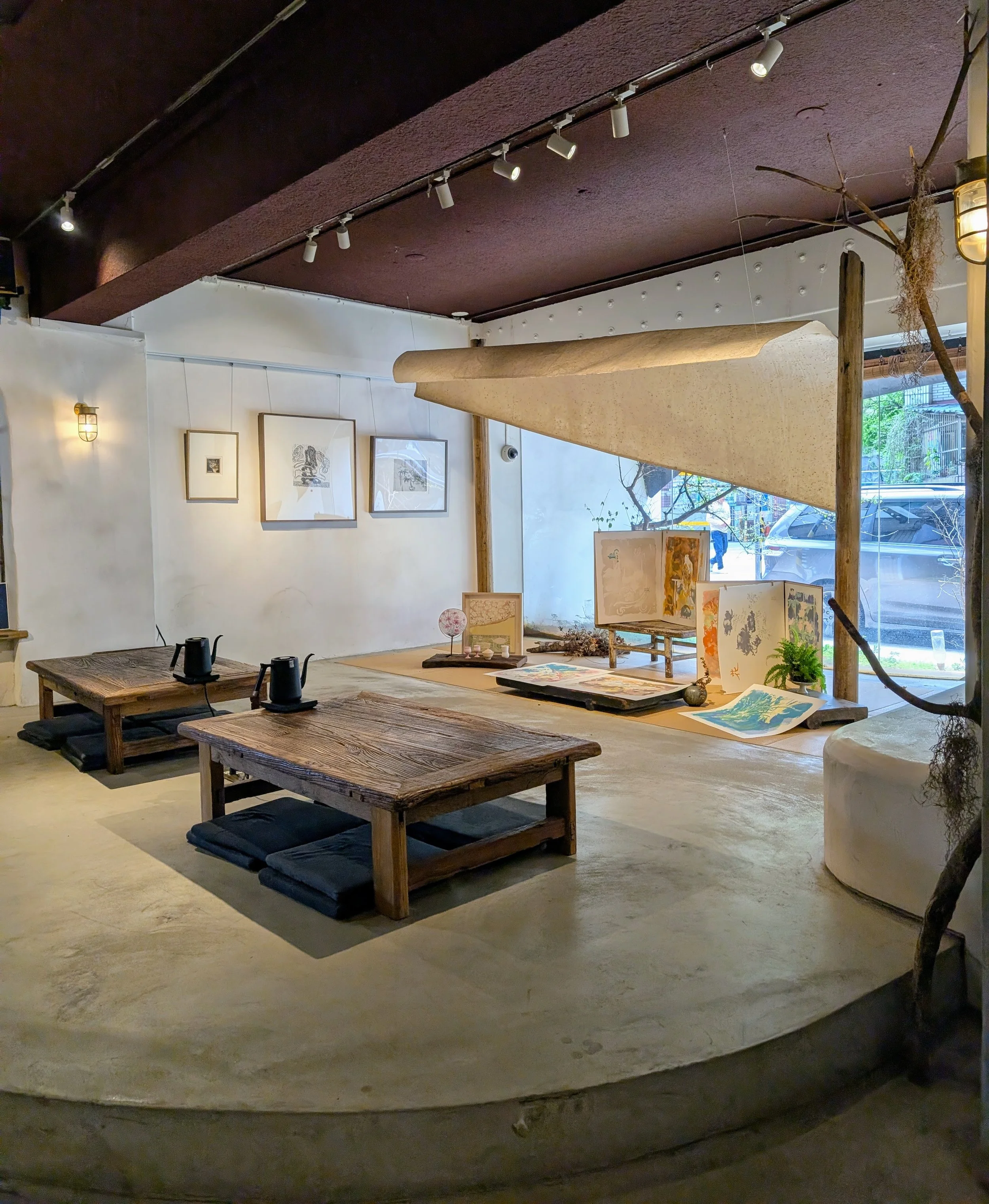
Hermit’s Hut tea house
Over at Qingtian Tea House, the wood-clad interior and peaceful inner courtyard made it feel almost like sitting in a treehouse. They boast an extensive pu'erh collection, but I chose a second-place, competition-grade Oriental Beauty accompanied by homemade pineapple cake. Full of tiny, fluffy buds, it was incredibly aromatic, delightful, and very fruity. I tasted other Oriental Beauty oolong teas later in the trip, but nothing else even remotely compared to this one.
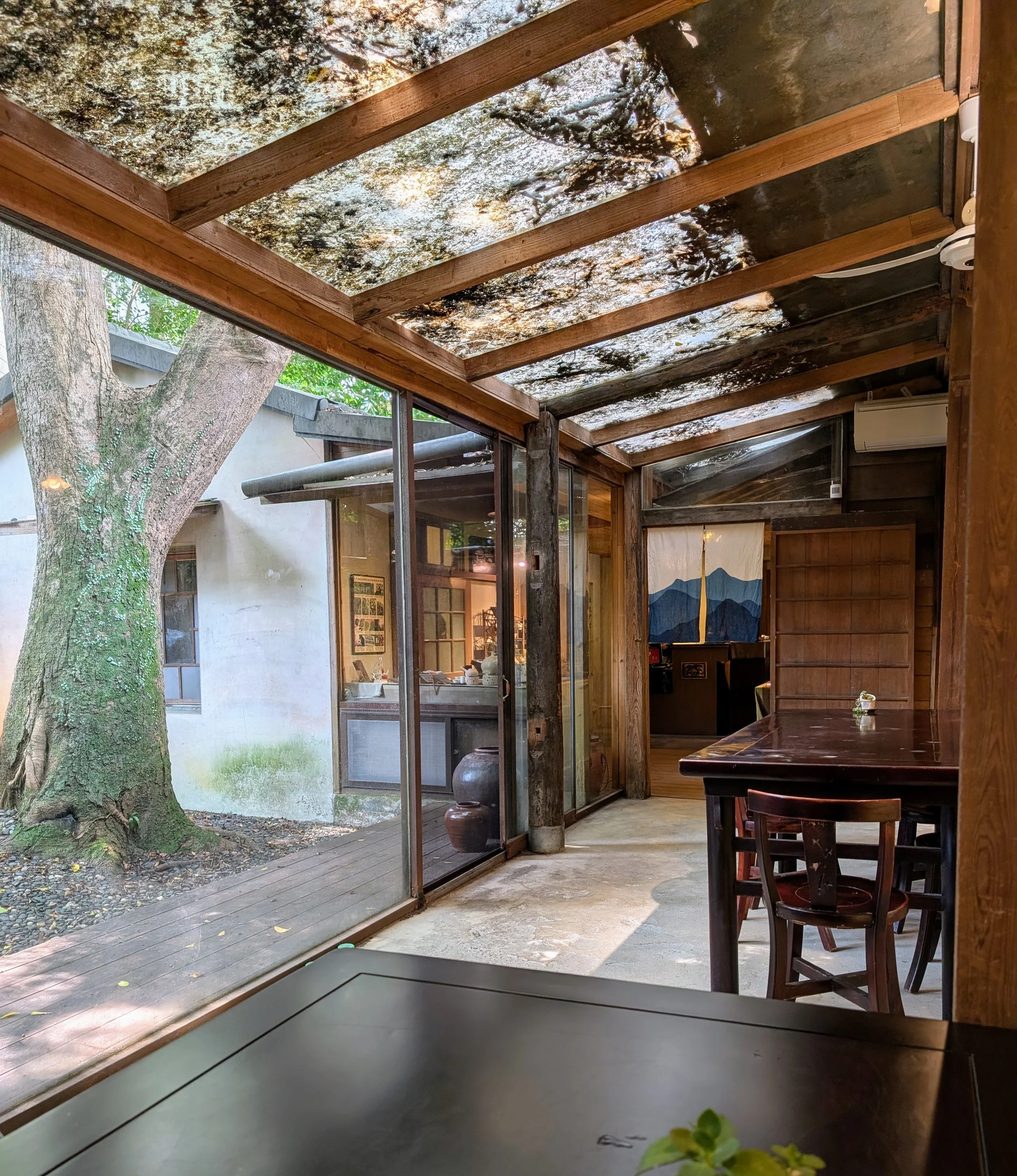
Qingtian tea house
For a completely different vibe, Wang Tea Lab feels like a hip, ultra-modern bar. Using an innovative "teaspresso" machine, they brew impeccable cups. I tasted their Chi Chong Pouchong and Chi Chong High Mountain oolong side-by-side, paired with a beautiful tea-infused crème caramel. Next door you will find their original location, with a traditional tea roasting room at the back of the shop.
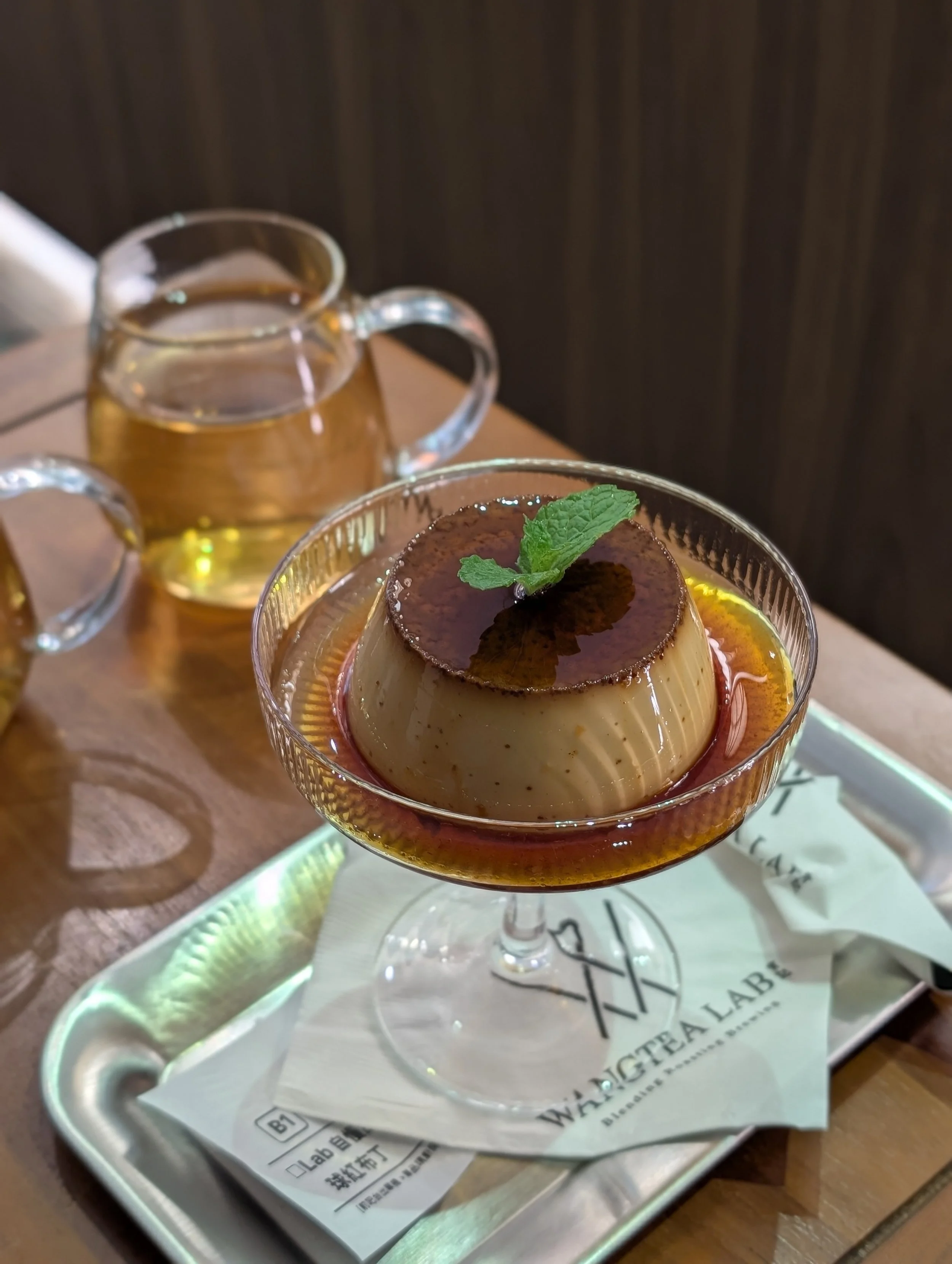
Wang Tea Lab
Within this tier is the elevated subcategory: the tea omakase. At Liquid Ambré, the atmosphere is dark, moody, and deeply introspective. Outside, it was pouring rain, and the rhythmic tapping on the roof became the perfect soundtrack to watching the steam rise from the kettle. I selected a two-tea omakase with an Alishan Jade oolong (green, fresh, floral) and a Lugu Dong Ding (dark, caramely, and robust) to experience both ends of the spectrum. Brewed with beautiful teaware, the teas were paired with a monaka filled with mung bean paste, chestnut pieces, and flaky sea salt. It was pure meditation.
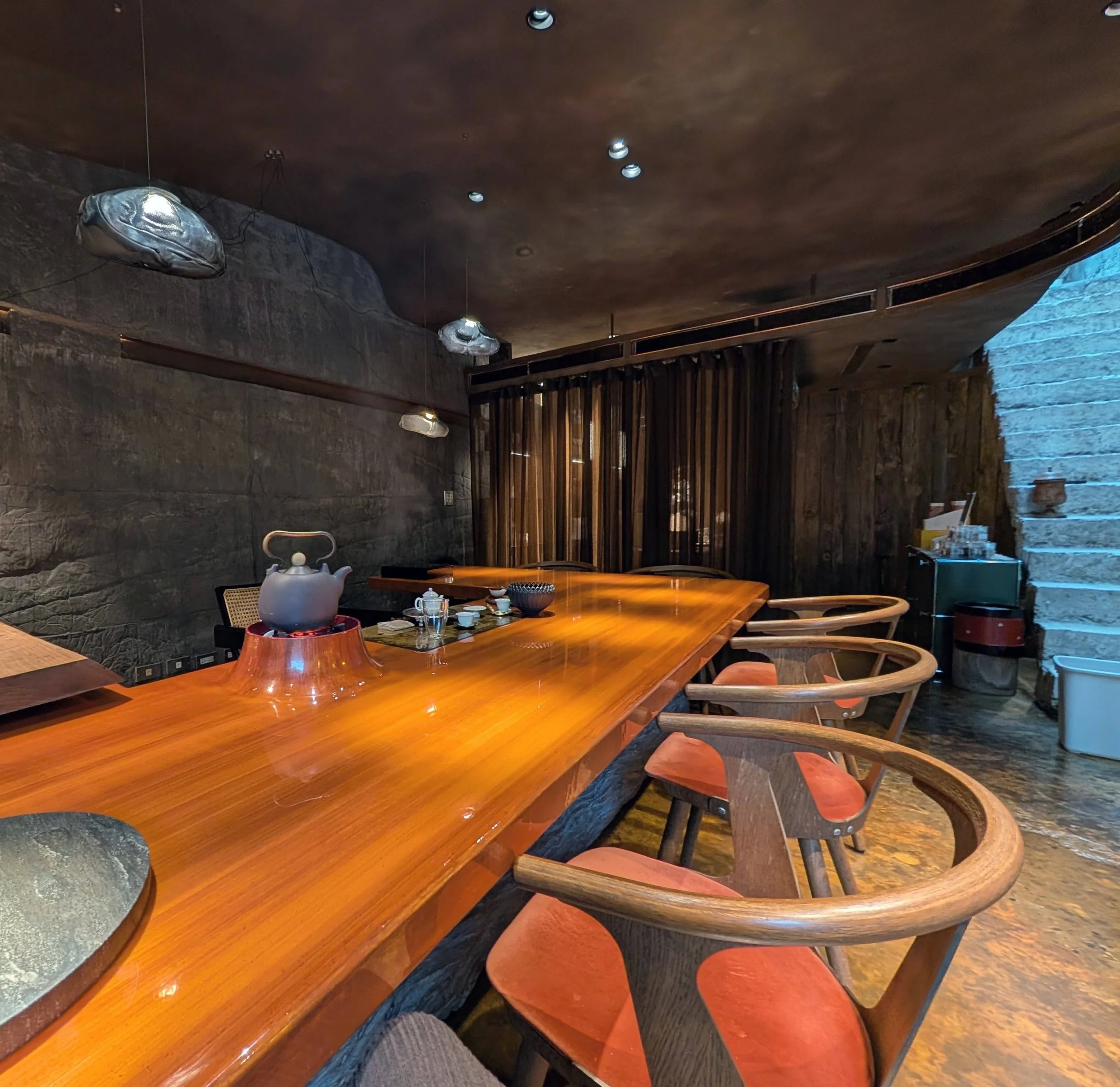
Liquid Ambre
2. The Sourcing and Tasting Room: Curating Your Tea Collection
If the first category is about lingering, the second is about purposeful evaluation. These are dynamic sourcing rooms where the primary goal is tasting to purchase loose-leaf tea. For anyone serious about Taiwanese teas—particularly High Mountain oolongs, which are celebrated for their exceptional quality and anticipated bi-annual spring and winter harvests—this hands-on evaluation is an absolute necessity.
Wang De Chuan 王德傳茶莊 台北敦南店 came highly recommended by our hotel’s concierge. With bright red metal tins lining the wall behind the counter, a vintage birdcage, and lush plants, it feels like a luxury cabinet of curiosities. I spent some time just looking at and smelling tea leaves from their extensive collection, housed in heavy lidded stone canisters on the wall alongside the staircase leading to the mezzanine. They brewed several teas for me, including two heavily charcoal-roasted Muzha Tieguanyins (one of which from the milky Jin Xuan cultivar) and a wonderfully fruity Honey Fragrance Red Oolong. Finding a naturally scented Osmanthus Oolong made with real flowers was a major goal for this trip, and their version left me absolutely elated.
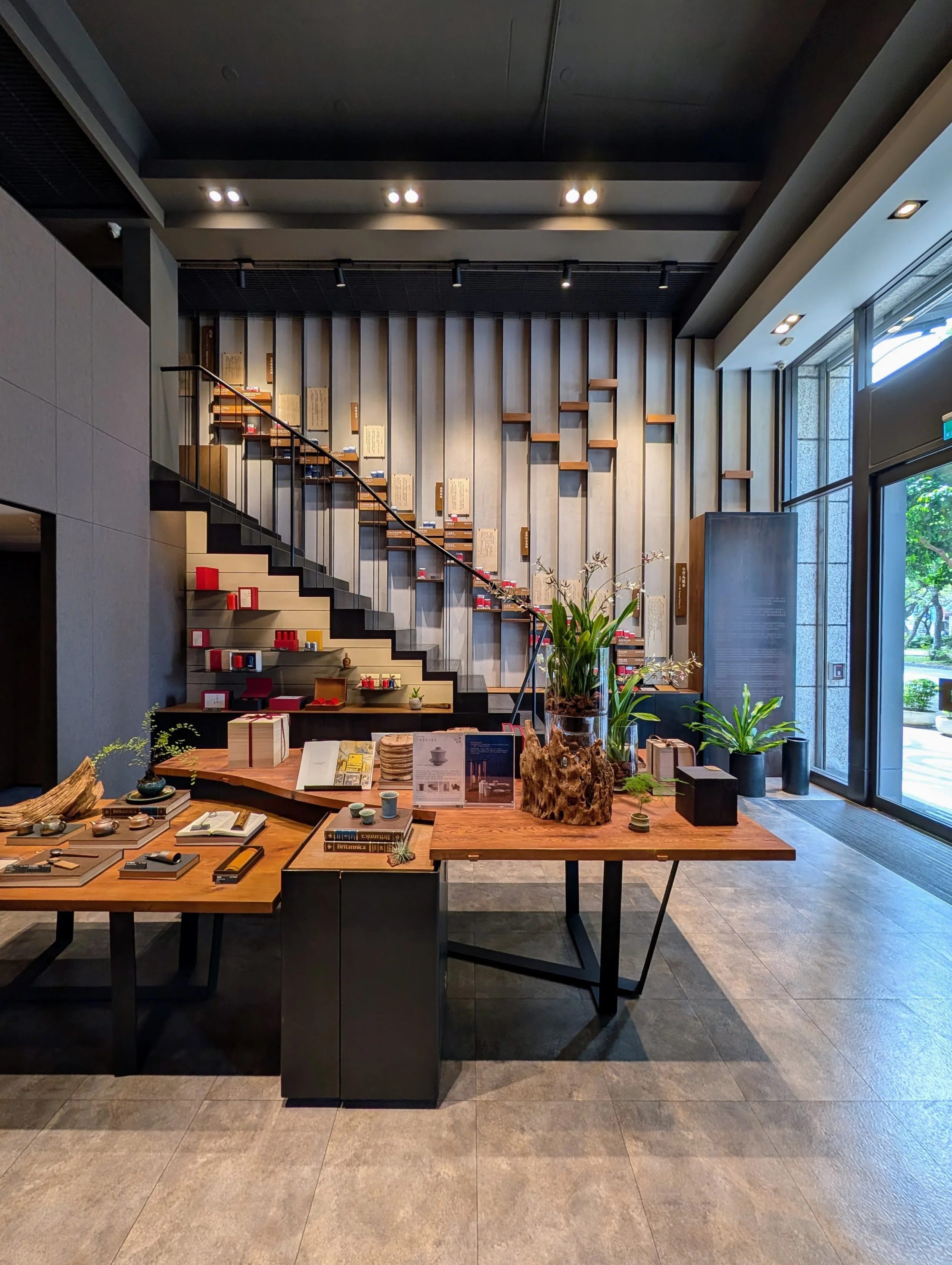
Wang De Chuan tea store
At Yoshan Tea—which feels like an elevated boutique completely clad in white marble—I was treated to an extensive one-on-one tasting. (Fun fact: they actually have a store in Arcadia, just east of Los Angeles!). I tasted an incredible Mild Dong Ding, which utilizes the traditional medium-roast style of Nantou County rather than a darker roast. But the absolute gem was their Mild Jade Green Oolong. It rarely makes it outside the domestic market, and I don't blame them: slight roast, fresh, nutty, and bursting with buttery goodness. I fell absolutely in love with it.
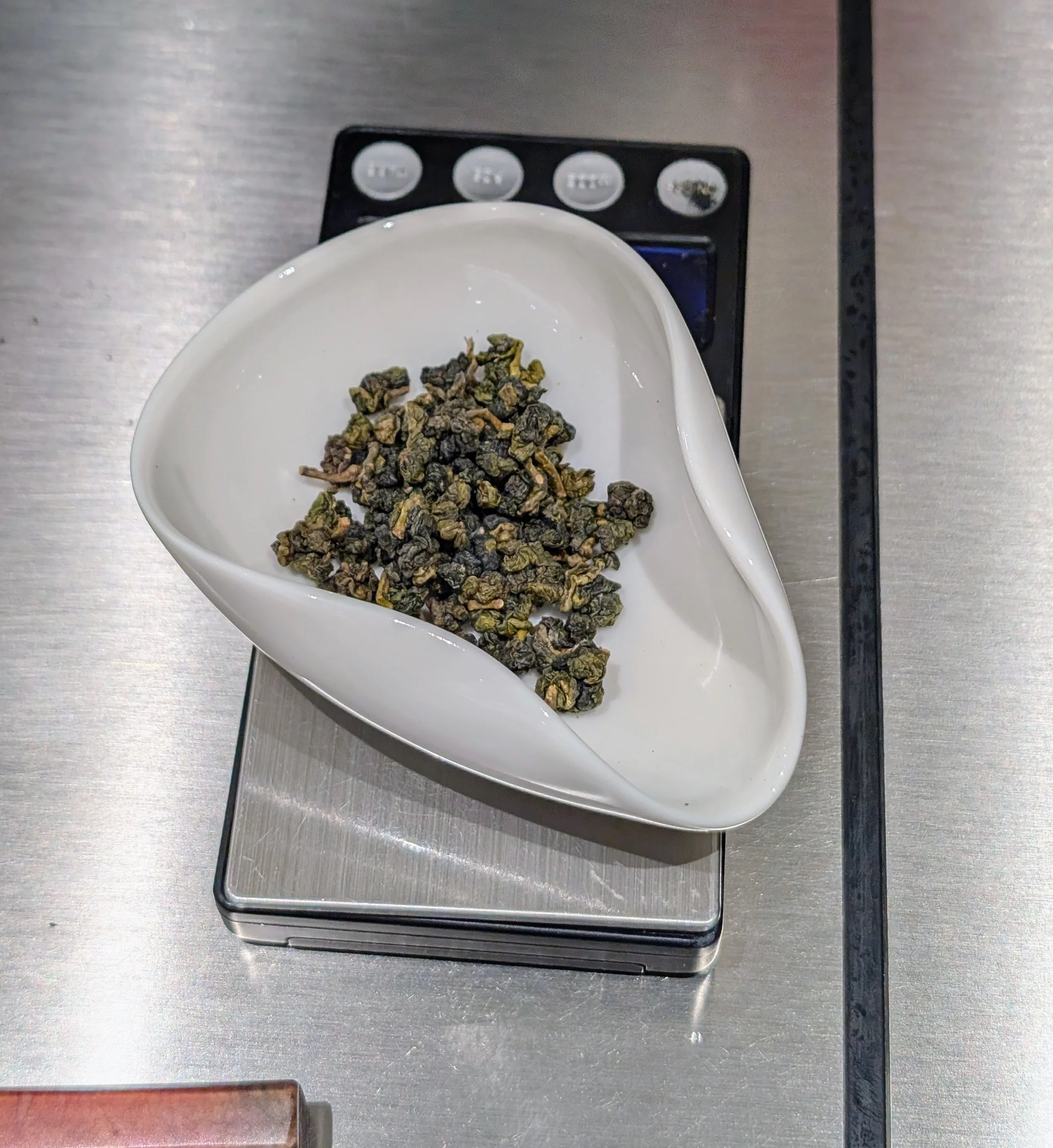
Yoshan tea store
The modern evolution of this tier is the hybrid shop, perfectly exemplified by Jing Sheng Yu. They have a traditional tasting counter, but also offer a seating area to pause with a brewed cup. Previously, I had not been a big fan of Lishan oolongs, finding them too verdant and vegetal. However, after trying a few samples here, their Lishan from the Qingxin cultivar knocked it out of the park. The herbaceous base notes veered into complex, well-balanced milky and floral territory without being overpowering. I sat with a mug of it, and the more I drank, the more certain I was that it was coming home with me. And it did!
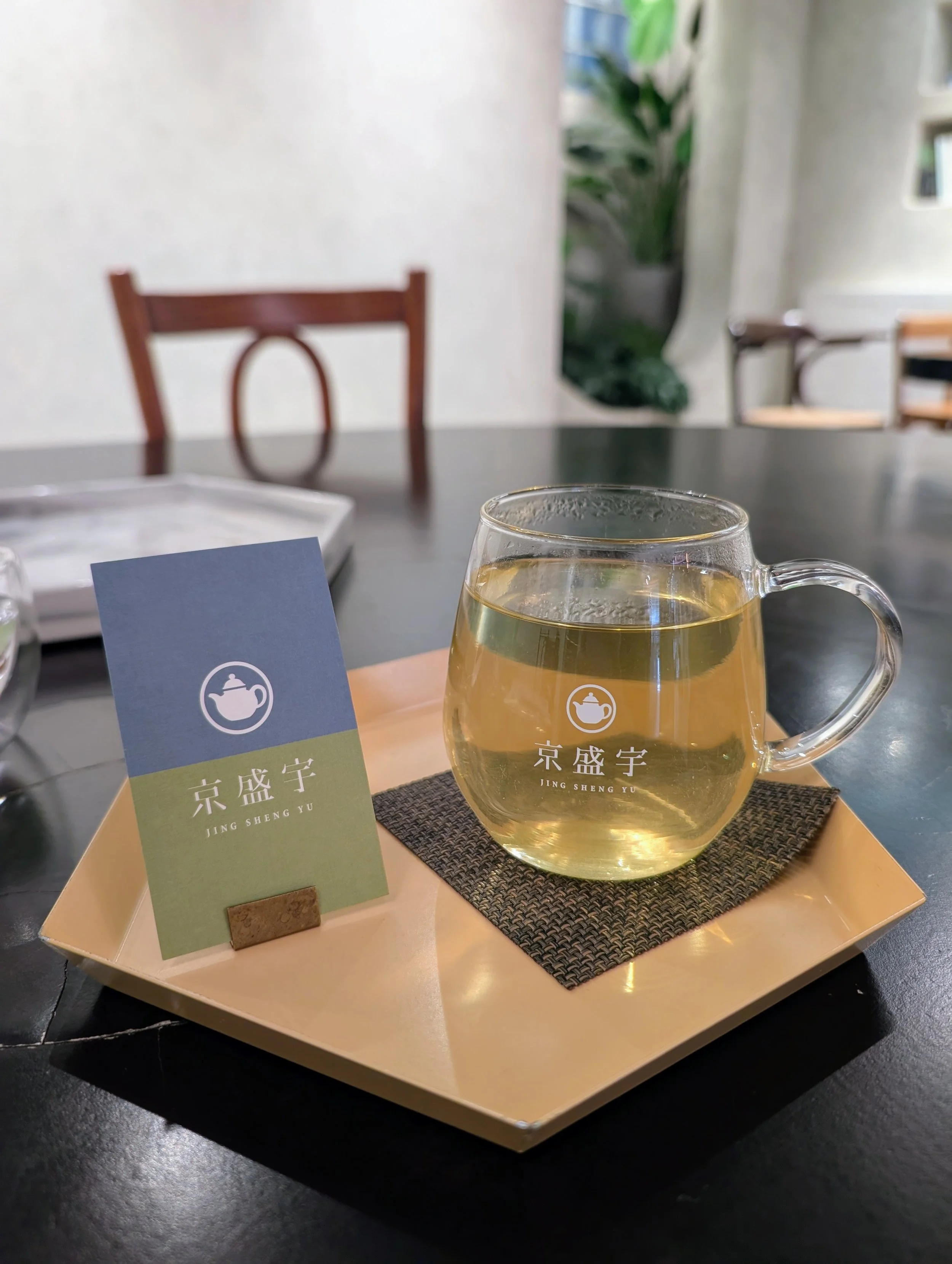
Jing Sheng Yu
3. The Boba Phenomenon: A Global Export
It is impossible to talk about Taiwanese tea without mentioning boba. While my focus this trip was heavily anchored in traditional brewing and sourcing, bubble tea is the vibrant, everyday street-level heartbeat of the city and Taiwan’s most recognizable export.
For a standout experience in this category, Odd One Out completely elevates the craft. I initially discovered them when they opened in LA a couple of years ago, and they quickly became my absolute favorite spot for their red oolong milk tea—to which you can add boba (the classic, chewy tapioca pearls) if you want. They prove that even casual tea culture can be taken incredibly seriously. They maintain a rigorous focus on sourcing high-quality tea leaves and brewing them to absolute perfection, making their Taipei location a full-circle, must-visit experience.
Honorable Mentions: Delicious Intersections
Beyond the three main categories, Taipei is filled with creative, hybrid spaces that celebrate tea in unexpected ways. No tea lover's itinerary is complete without exploring the historical depth of the Sin Hong Choon Tea Museum or stopping by Halfday Tea House on the historic Dihua Street.
For those who want to experience tea through a culinary lens, COFE is an absolute revelation. I essentially received a crash course in Taiwanese tea by "eating" it. They create edible tiles using specialty tea, soymilk powder, and cacao butter. Because the cocoa butter is pure fat, it acts as the perfect carrier for even the most subtle notes, delivering a photorealistic snapshot of straight, pure tea flavor. The tasting is beautifully presented on a serving tray shaped like a map of Taiwan, with each tea-chocolate tile accompanied by a detailed description and tasting notes.
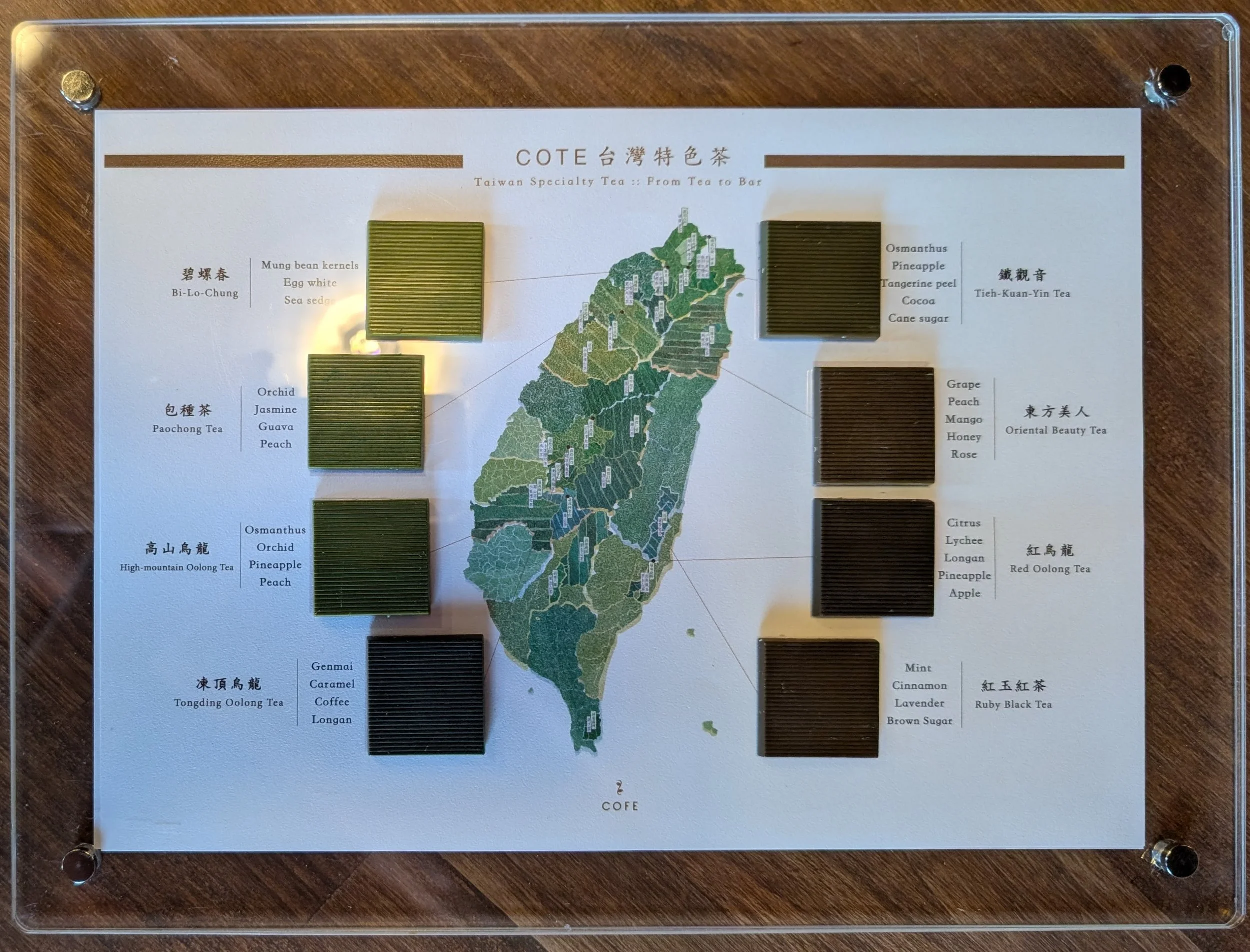
COFE cha choco tasting
Additionally, Double V serves an unforgettable Four Seasons Oolong tea ice cream, and Indus Chai brings a completely different, deeply spiced tea perspective to the city.
A Sweet Souvenir: Taiwanese Tea Candy
I would be remiss not to mention the delightful world of Taiwanese tea candies—a category I actually discovered because our hotel provided a few complimentary pieces in our room each day. This sparked a hunt for more, and it is an incredible way to take the flavors of Taiwan home with you. From the crumbly, nutty perfection of Pouchong and Honey Scented Black Tea Peanut Candies (茶香酥) to chewy Red Oolong Nougat (牛軋糖) and crunchy Tieguanyin Crispy Candies (小瓷糖), local confectioners have mastered the art of capturing the roasted, floral, and milky notes of the island's best cultivars in bite-sized form.
Taipei does not force you to choose how you want to experience tea. Instead, it invites you to experience all of it. From heavy-roast Tieguanyin to tea-infused chocolate tiles, the city offers an incredible spectrum of flavors and experiences.
Because navigating a new city's tea scene can be overwhelming, I made you a custom Google Map with every spot mentioned. You're welcome!
Have you ever tried a traditional Taiwanese oolong, or is there a specific tea from this list you’d love to taste? Let me know in the comments below.