My tasting notes of Muzha Tieguanyin and olfactory reflections
As Mandy Aftel writes in Essence and Alchemy, "When you smell perfume, you absent yourself from habitual life and go on a journey." To me, that not only applies to perfume, but very much to the way I experience tea. Tea invites you to slow down, practice undivided attention, and discover how to create a ritual for contemplation and meaningful connection, but it is also a powerful practice in olfactory refinement.
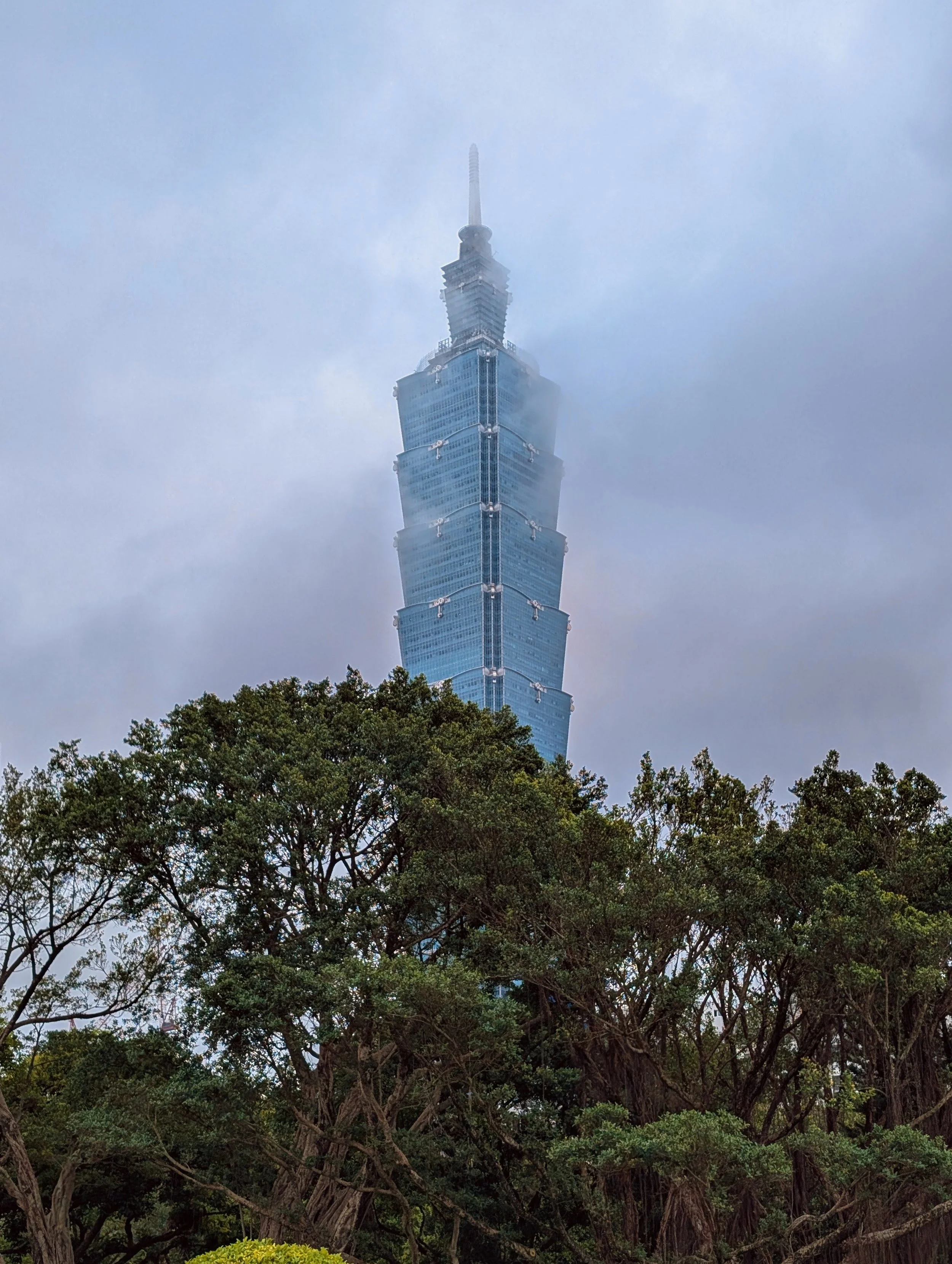
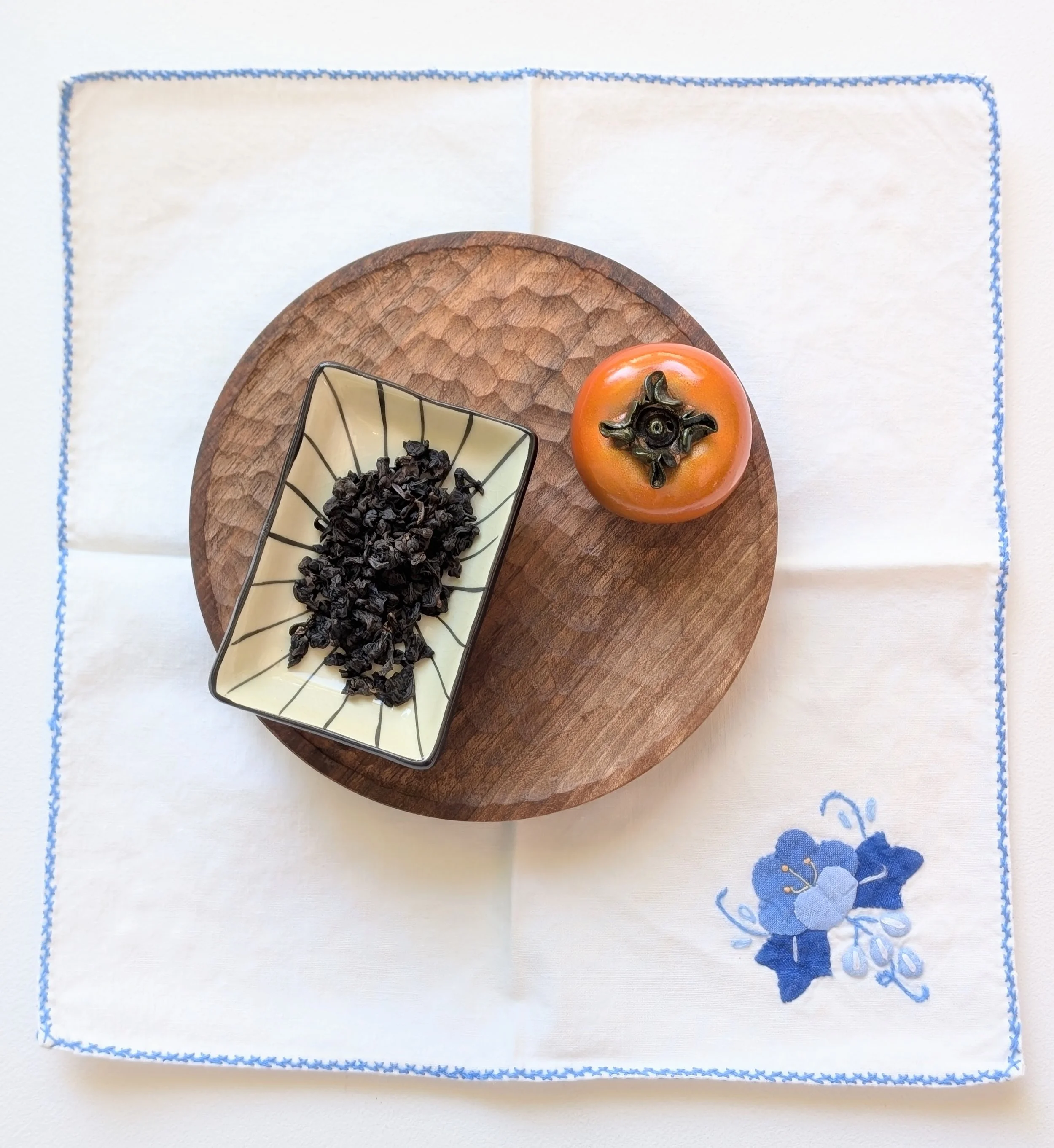
Today, the focal point of this journey is a beautiful Muzha Tieguanyin from Taiwan I purchased in Taipei at Wang De Chuan last March. Specifically, I am brewing a Zheng Cong, which literally translates to "authentic cultivar." Today, the name "Tieguanyin" is often used just to describe a style of tea making applied to easier-to-grow tea plants. A true Zheng Cong, however, is crafted exclusively from the original Red Heart (Hongxin) Tieguanyin plant. While this plant is notoriously difficult to grow, it is the only one capable of producing a deep, lingering orchid flavor that can survive days of heavy charcoal roasting.
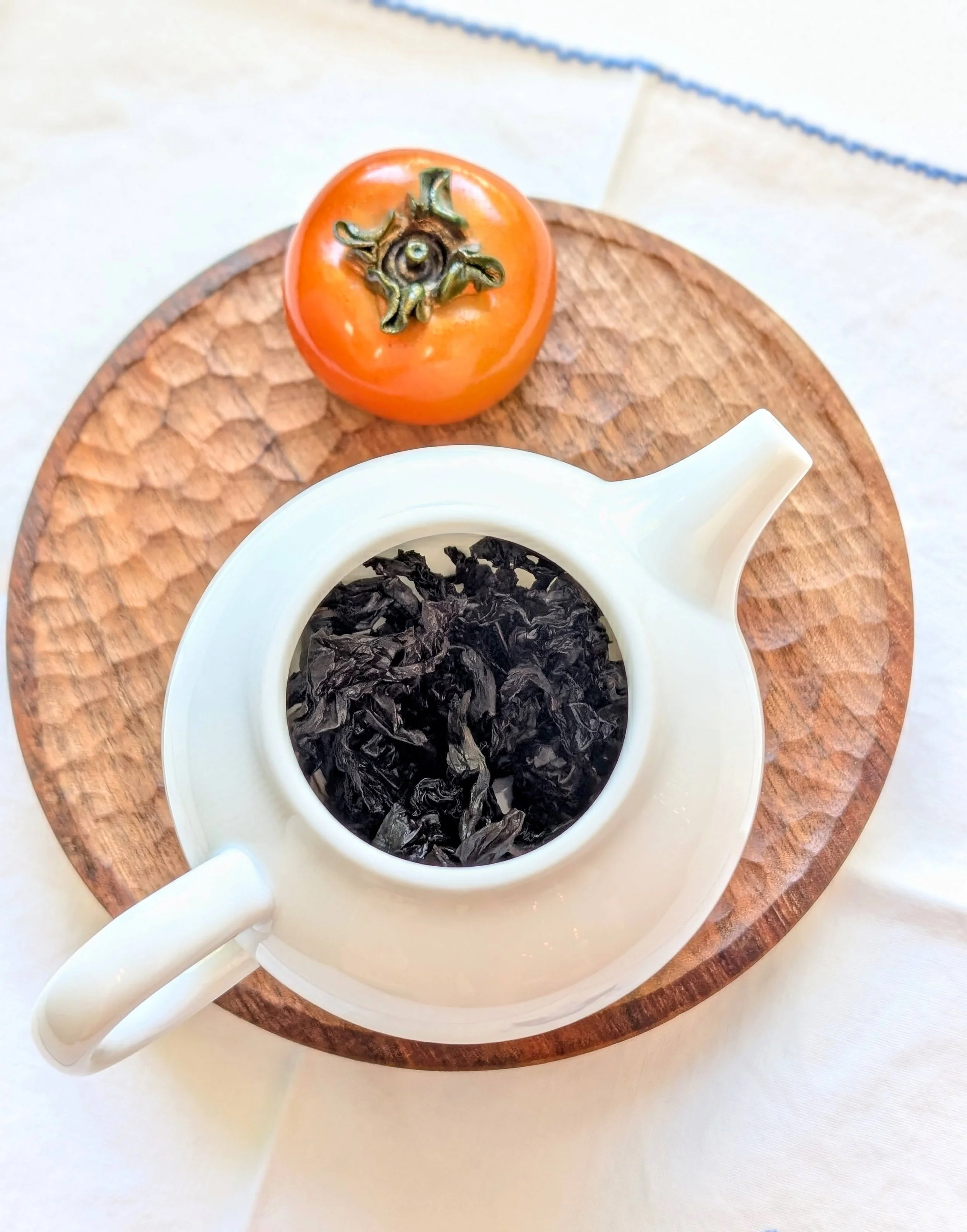
Reaching for a gongfu cha porcelain pot, I dosed 5.3 grams of the tightly rolled leaves and brought 150 ml of my Crystal Geyser spring water to 195°F (90°C).
The Roots: A Tale of Two Terroirs
Before diving into the aroma and tasting notes of this tea, it is important to understand why a Taiwanese Tieguanyin behaves so differently from its mainland ancestors. I myself was surprised to find Tieguanyin in Taiwan. In Tea: A Nerd’s Eye View, Virginia Utermohlen Lovelace writes:
"Probably the most famous Chinese oolong in the West, where it is often called simply Chinese oolong, is Tieguanyin or 'Iron Goddess of Mercy,' from Anxi county in Southern Fujian... As well as varying by harvest, Tieguanyin varies by degree of oxidation—light with greener leaves and dark with browner leaves".
In 1895, the original Tieguanyin tea plants were brought from Anxi to the Muzha region of Taiwan, just outside of Taipei. Over the following century, a fascinating divergence occurred. Driven by modern market trends, much of Anxi shifted its processing style toward that lighter, greener spectrum, producing a largely unroasted Tieguanyin that drinks almost like a fresh, highly floral greener oolong. They were actually trying to emulate Taiwanese high mountain oolongs.
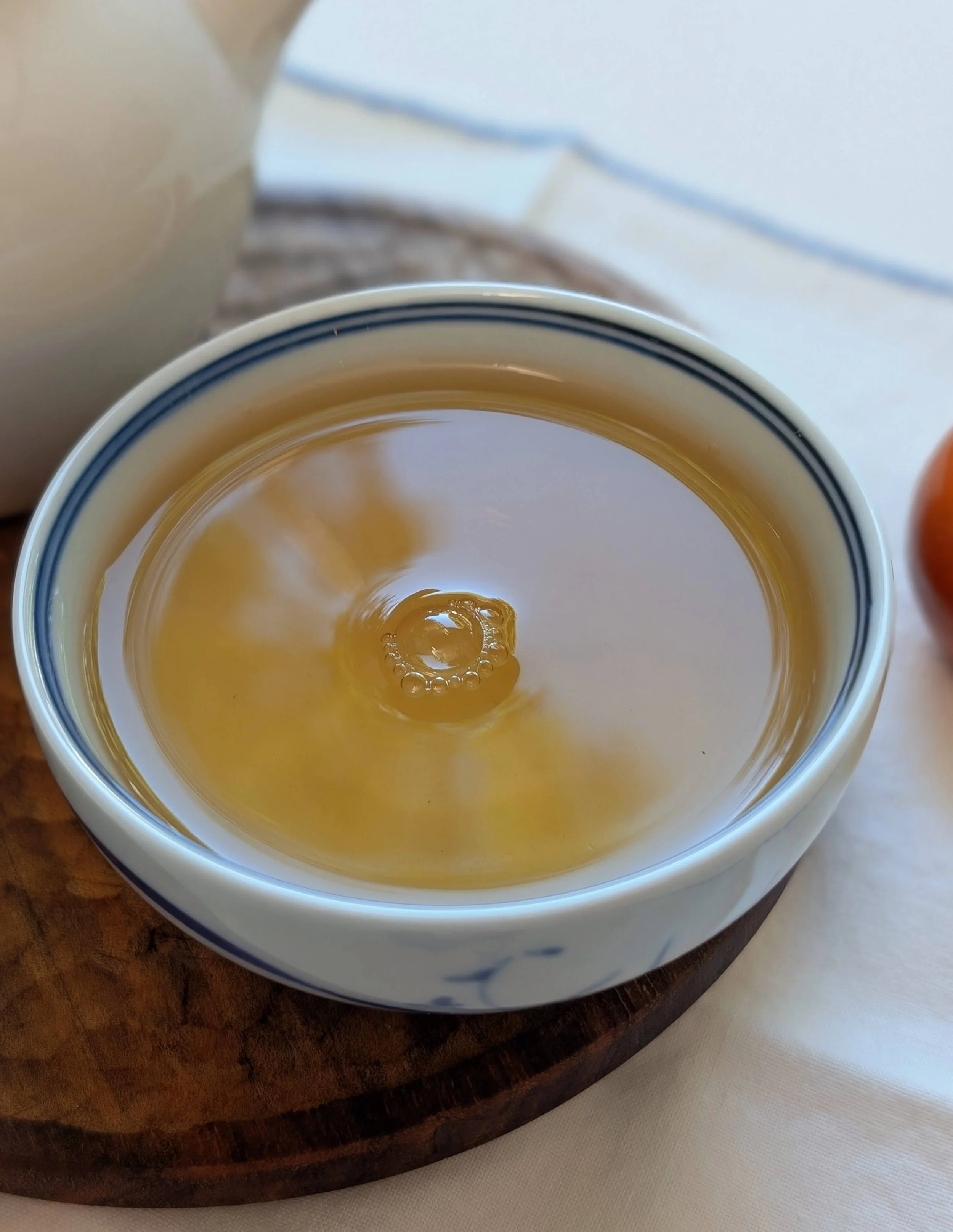
Taiwan, however, became a time capsule. Muzha producers fiercely preserved the traditional, darker methods of the past, allowing the leaves to heavily oxidize before subjecting them to repeated, intensive charcoal roasting. This painstaking process yields an amber liquor and locks in the deep, robust characteristics that define true historical Tieguanyin.
The Canvas: Aged Leather and Ume Plum
Burying my nose in the bag of dry leaves, the initial greeting is a prominent, worn leather. This is not the sharp, biting leather of a new jacket, but something supple, aged, and comforting. If I were exploring this from an experimental perfumery standpoint, recreating this would rely on Tobacco absolute—a rich, complex botanical extraction that captures the dry, cured warmth of vintage leather without the heavy, sticky sweetness of traditional amber resins. This could be grounded by the dry, hay-like tannins of Mate absolute, extracted from the South American yerba mate plant, which gives fragrances an authentic, herbaceous tea structure.
Dropping the leaves into the pre-heated porcelain teapot reveals the first dramatic shift. The heat immediately volatilizes the heavier molecules, coaxing out a wonderful, toasty sweetness. There are notes of warm baked goods, dark caramel, and a distinct, ethereal vapor reminiscent of warm sake. The fruitiness veers dark, like a salted, preserved ume plum. To capture this fleeting top-note accord, a perfumer might reach for Prunol, a classic synthetic base famous in vintage perfumery for creating dense, candied, spiced-plum effects. To replicate that airy, fermented rice vapor, one might add a drop of Ambrettolide—a musk molecule prized for adding an expansive, silky texture to a blend.
The Wash: Clove and Campfire
The flash wash completely alters the landscape. Suddenly, the aroma is pure wood smoke laced with a sweet, warming spice—a distinct hint of clove and nutmeg. It is the undeniable signature of a traditional longan wood charcoal roast. Translated into a theoretical perfume formula, this phase mirrors Rectified Cade Oil, which is steam-distilled from prickly juniper wood and yields a sharp, dry, campfire smoke note. To capture the sweet spice, you would pair it with Eugenol, a naturally occurring compound found heavily in clove essential oil that provides a warm, woody-spicy character.
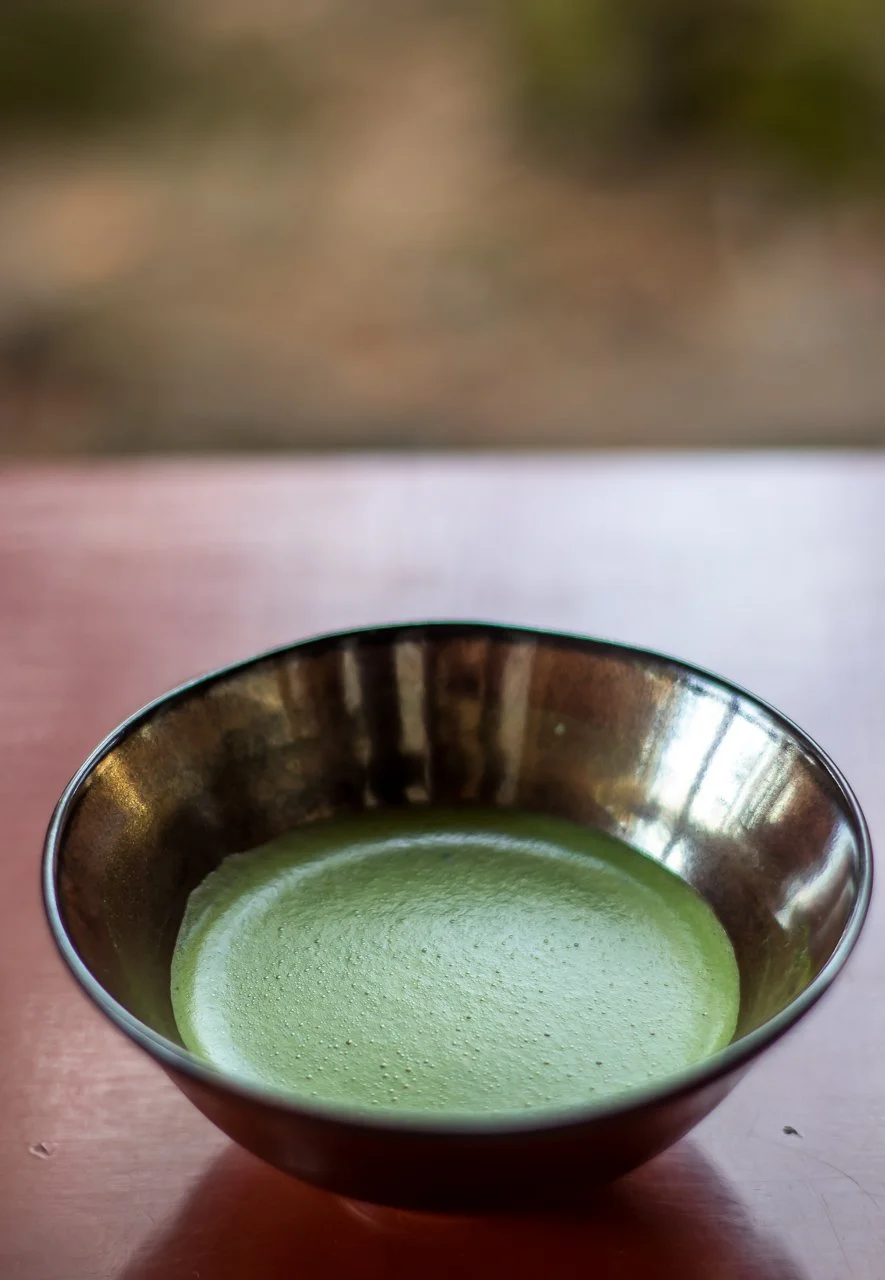
After a 55-second initial steep, the tea reveals its texture. The liquor pours silky and mellow, offering a sweetness that tapers into a soft, smoky finish. As the empty porcelain aroma cup cools, a surprisingly powdery, anisic sweetness emerges, behaving like a trace of Anisaldehyde—a synthetic molecule used to impart a sweet, floral-licorice or hawthorn blossom note.
The Heart: Juicy Fruit and Osmanthus
By the second infusion, dropped to 45 seconds, the tightly rolled leaves fully unfurl. The aggressive exterior charcoal roast begins to recede, allowing the water to access the heavily oxidized core of the leaf.
The liquor turns juicy and honeyed, laced with a faint whisper of vanilla. But the true magic happens inside the cooled aroma cup: a distinct, narcotic floral fragrance. It is that perfect, leathery apricot-floral note that defines a true Tieguanyin. In botanical perfumery, this is captured flawlessly by Osmanthus absolute, an incredibly precious extraction from tiny, highly fragrant blossoms that yields a rich, jammy-apricot and suede aroma. The pot perfectly funnels these volatile floral aromas, showcasing the tea's beautifully layered heart. Aftel notes that, "Like alchemy, working to transform natural essences into perfume is a process that appeals to our intuition and imagination rather than to our intellect." Experiencing the sudden bloom of osmanthus from a roasted leaf feels like exactly that—pure alchemy.
The Dry-Down: Charcoal and Guaiac Wood
Pushing the third steep to a full 60 seconds unveils the structural base. The liquor is wonderfully woodsy, spiked with returning vanilla and clove. A gentle tannic sensation begins to dry the sides of the tongue, while a pleasant, soft smoke lingers—a structural parallel to Guaiac wood essential oil. Distilled from the heartwood of the Palo Santo tree, it provides a soft, powdery, sweet, and slightly phenolic (smoky) woody base to fragrances.
Fascinatingly, lifting the lid to smell the wet leaves reveals a return to pure charcoal. Stripped of their highly volatile floral and fruity top notes, the leaves retain only the heavy, stubborn Pyrazines—a class of aromatic compounds that naturally occur in toasted and roasted foods, used in trace amounts in perfumery to mimic nutty, baked, or charred effects. The wet leaves behave exactly like the final base notes clinging to the skin in a perfume’s dry-down hours after application. "The experience of volatility in perfume is thus a metaphor for the experience of time," Aftel writes. "Its essence is to flow; it is a continuity that seamlessly unfolds... each blending with the others as it ebbs, flowing into nothingness."
While my own experimental practice has already acquainted me with the dry, hay-like tannins of Mate absolute, the narcotic beauty of fresh and dried osmanthus blossoms, and the soft, smoky depth of Guaiac wood essential oil, this tea session has left me incredibly eager to test the other aroma molecules mentioned here.
Bridging these two worlds—the gongfu cha ritual and the combination of aromachemicals—transforms a simple cup of tea into a multi-sensory journey. It is a reminder that true appreciation lies in the layers, and that taking a moment to simply notice can be the most grounding practice of all.