A Tea Sommelier’s Guide to Tea in and Around Taipei (Part 2)
There is a kind of magic that comes with returning.
Arriving in Taiwan for the second time this year, the initial rush of the unknown gave way to something deeper: the confidence that comes from the familiar. Not the predictability of it, but the wonder of finding new layers and hidden nuances tucked inside places and moments I had already come to love.
Every time I am here, an immediate sense of ease settles over me. I don’t speak the language, yet I have never once felt lost.
Tea has a way of making space, connecting strangers into instant friends.
Across brewing tables and shared cups, words were never the barrier they might have seemed. This journey wasn’t just about tea—it became about the people. Connecting on a personal level, laughing, learning, and sharing a genuine devotion to a beverage, a labor of love, that goes far beyond words.
To the makers and new tea friends who welcomed me into their spaces and shared their time and world with me: thank you for making Taiwan feel so much like home. We may not share every word, but we speak the very same language.
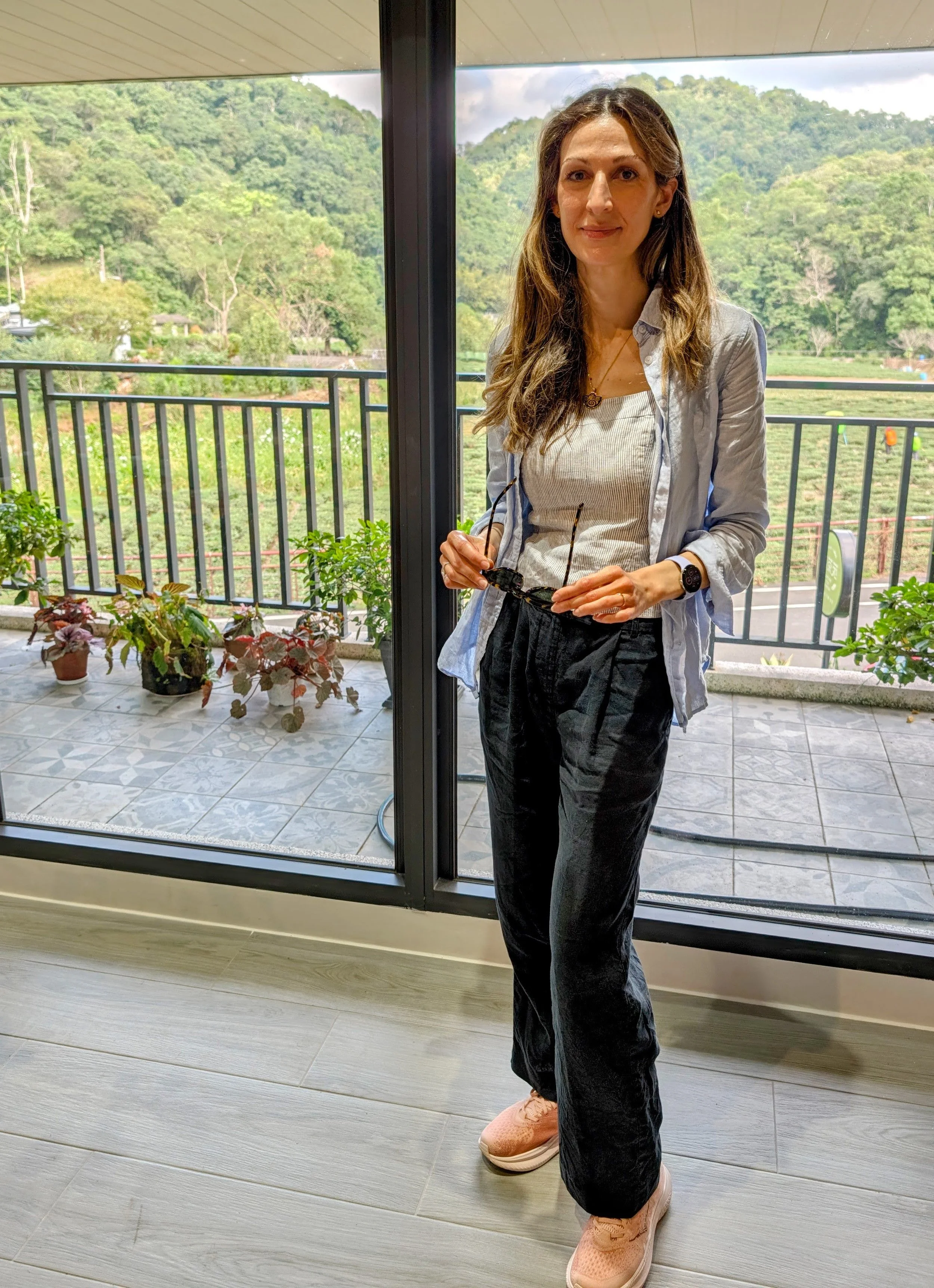
Anna (aka The Tea Squirrel) at Fortune Tea Garden
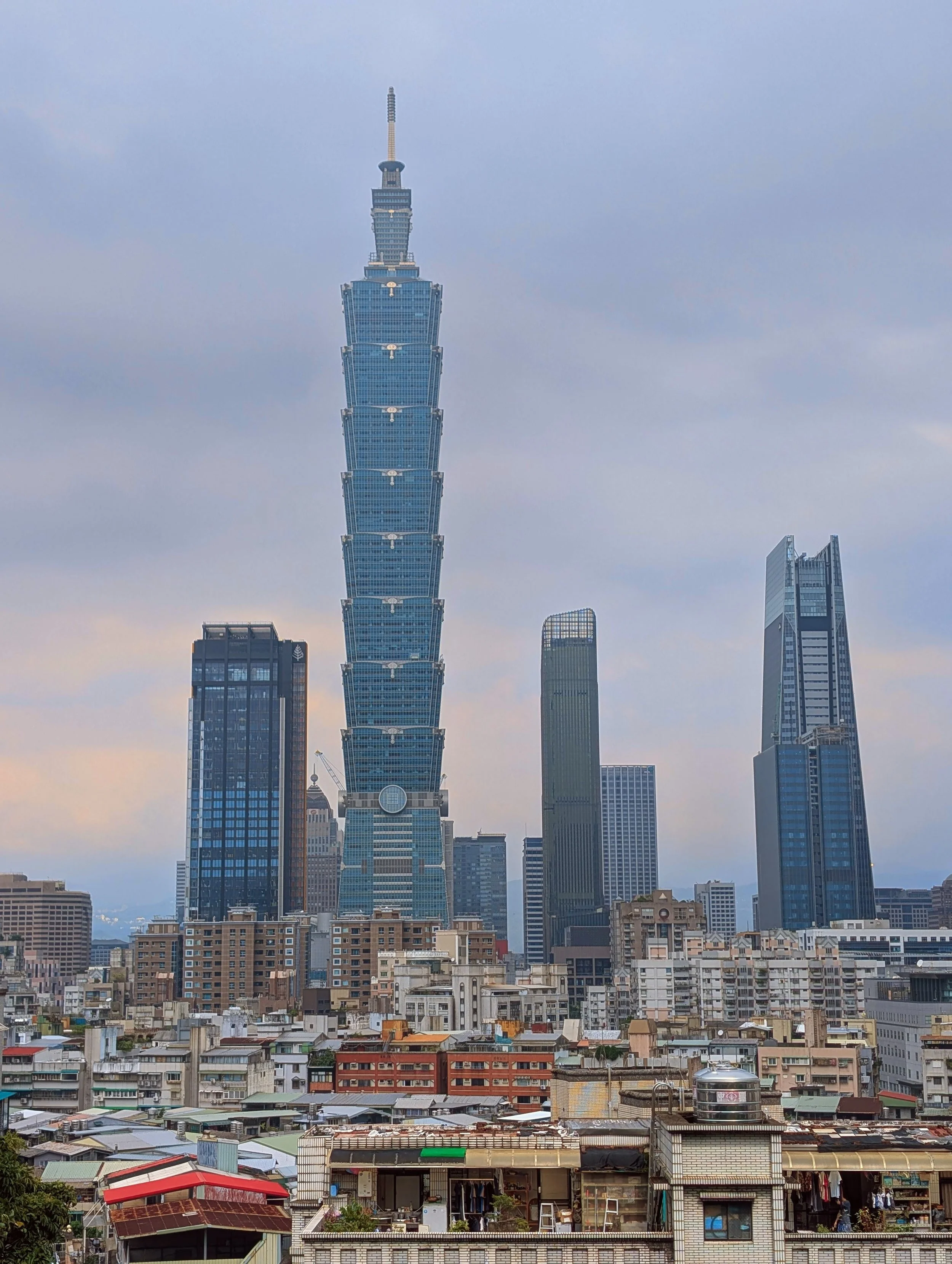
If my first Taipei guide mapped out the foundational tiers of the city’s tea culture—from meditative tea houses to traditional sourcing counters—this second edition goes deeper into the terroir, the sourcing, and the creative ways in which tea is reimagined. Whether you want to trace a cultivar back to the misty hillside where it was plucked, sample wild-crafted leaves that defy conventional tasting notes, or experience tea through haute patisserie and fine dining, here is how to explore Taipei’s tea scene.
1. The Specialty Tasting Room: Evaluating Tea Leaves
In my first guide, I focused on tasting rooms built for curating a home collection. On this trip, I pushed myself beyond my comfort zone—venturing past unassuming facades with Google Translate in my back pocket, just in case. As it turned out, language was not an issue, and those leaps led me to intimate tasting tables and insightful conversations.
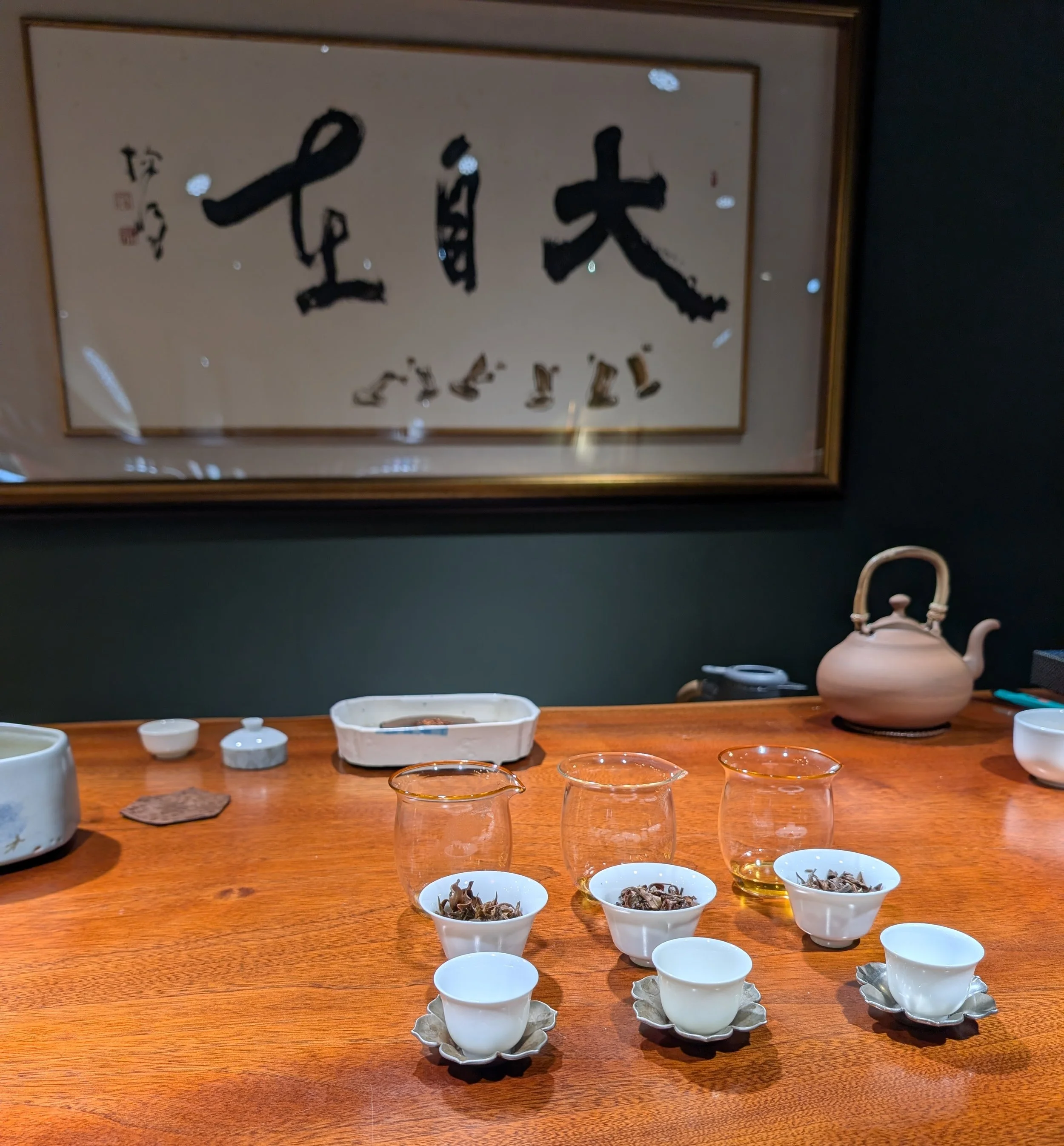
Da Zi Zai Kong Jian (大自在空間)
Tucked along the leafy residential lanes of Lishui Street, Da Zi Zai Kong Jian (大自在空間) is a true specialist when it comes to Oriental Beauty (東方美人 / Dongfang Meiren). Sitting beneath bold calligraphy in a quiet, forest-green room lined with competition awards, I was treated to a side-by-side tasting of three distinct Oriental Beauty lots tailored specifically to my budget. One of the three was a Wild-Crafted Oriental Beauty. Because those tea bushes grow untended without intervention, the tiny leafhopper (Jacobiasca formosana) feeds freely, and the leaves harvested are bigger, yielding a bold, complex cup. The third lot took things in yet another direction, revealing intriguing aromatic parallels to Taiwan's beloved Ruby #18 black tea—layering the classic honeyed muscatel of Oriental Beauty with hints of sweet mint and warm spice.
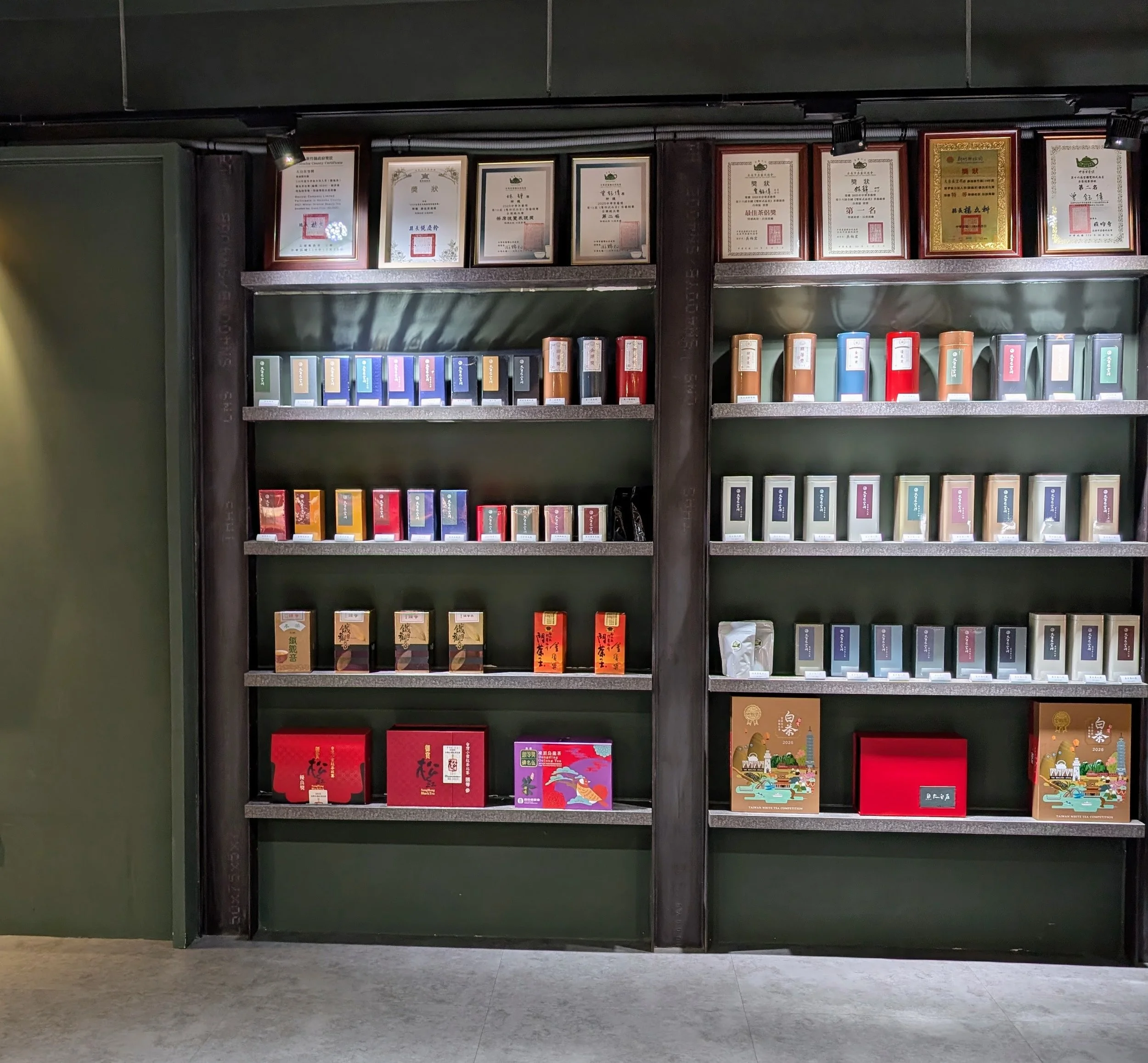
Da Zi Zai Kong Jian (大自在空間)
Near historic Dihua Street, Cha-En (茶苑) offers a serene, minimalist sanctuary framed by blooming orchids and classic tea caddies. When I walked in, Angela was in the middle of training the shop’s team on steeping techniques and specialty tea knowledge—so I pulled up a chair at their long wooden table and happily joined in. While the staff got their training, I got an unforgettable comparative flight of Alishan and Lishan Oolong brewed in hand-painted porcelain gaiwans. Sitting there learning and tasting together felt so effortless and welcoming that I honestly asked if I could work there too!
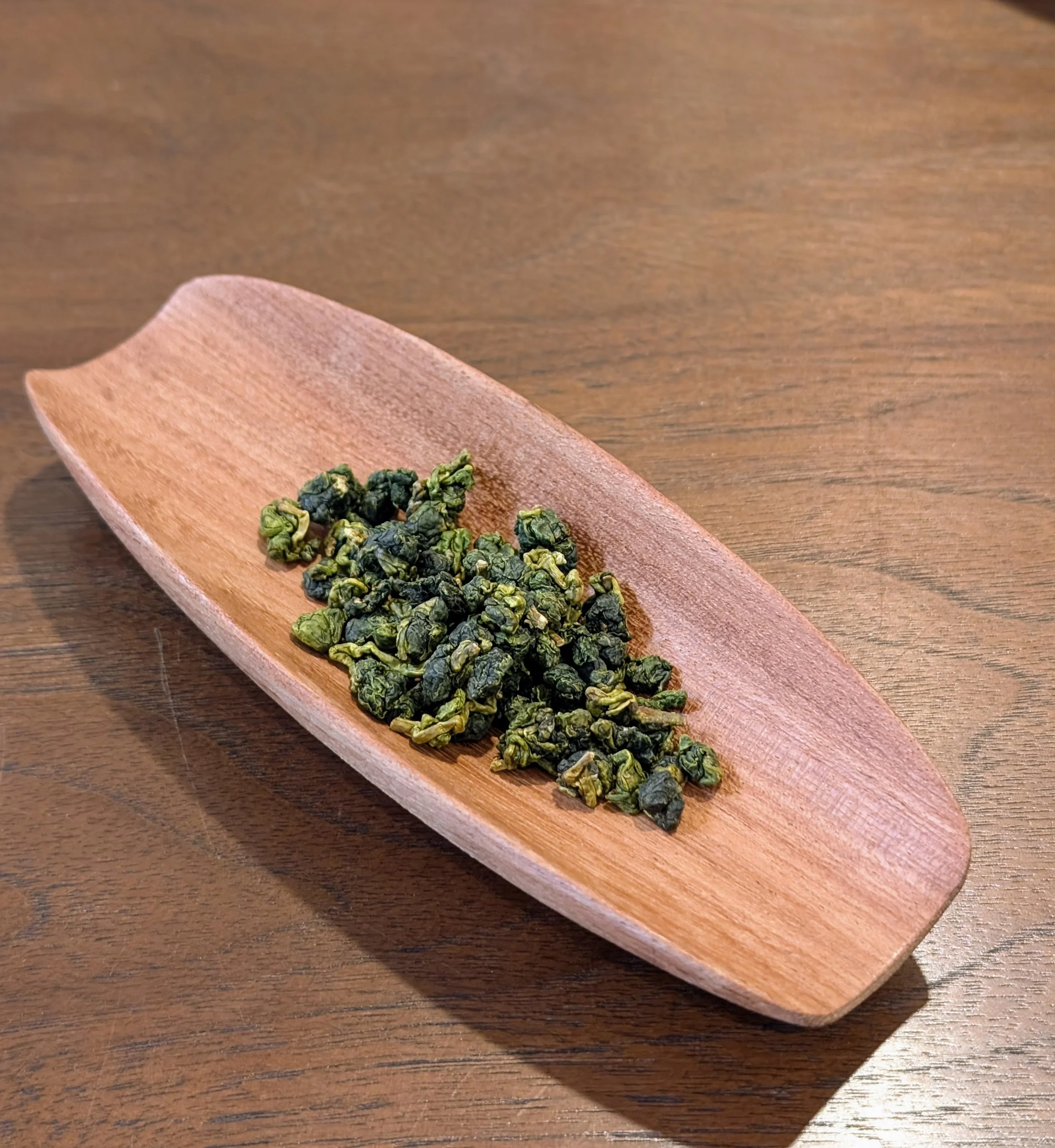
High Mountain Oolong at Cha-En (茶苑)
Having already featured Wang De Chuan (王德傳) in my first guide, I knew I had to return—their tea collection is simply too vast to capture in a single visit. This time, I focused on their Anshang (安尚) series, which revives 19th-century Taiwanese craftsmanship through natural farming and medium-to-heavy roasting. Tasting two expressions side by side at the counter proved how transformative rest and fire can be: the Manzhong Anshang Baozhong bypassed green grassiness entirely for a round, velvety texture, while a vintage 2019 Dapan Anshang Oolong (Heavy Roast) poured a luminous orange-amber cup layered with toasted hazelnut, dark caramel, and a remarkably cooling throat feel.
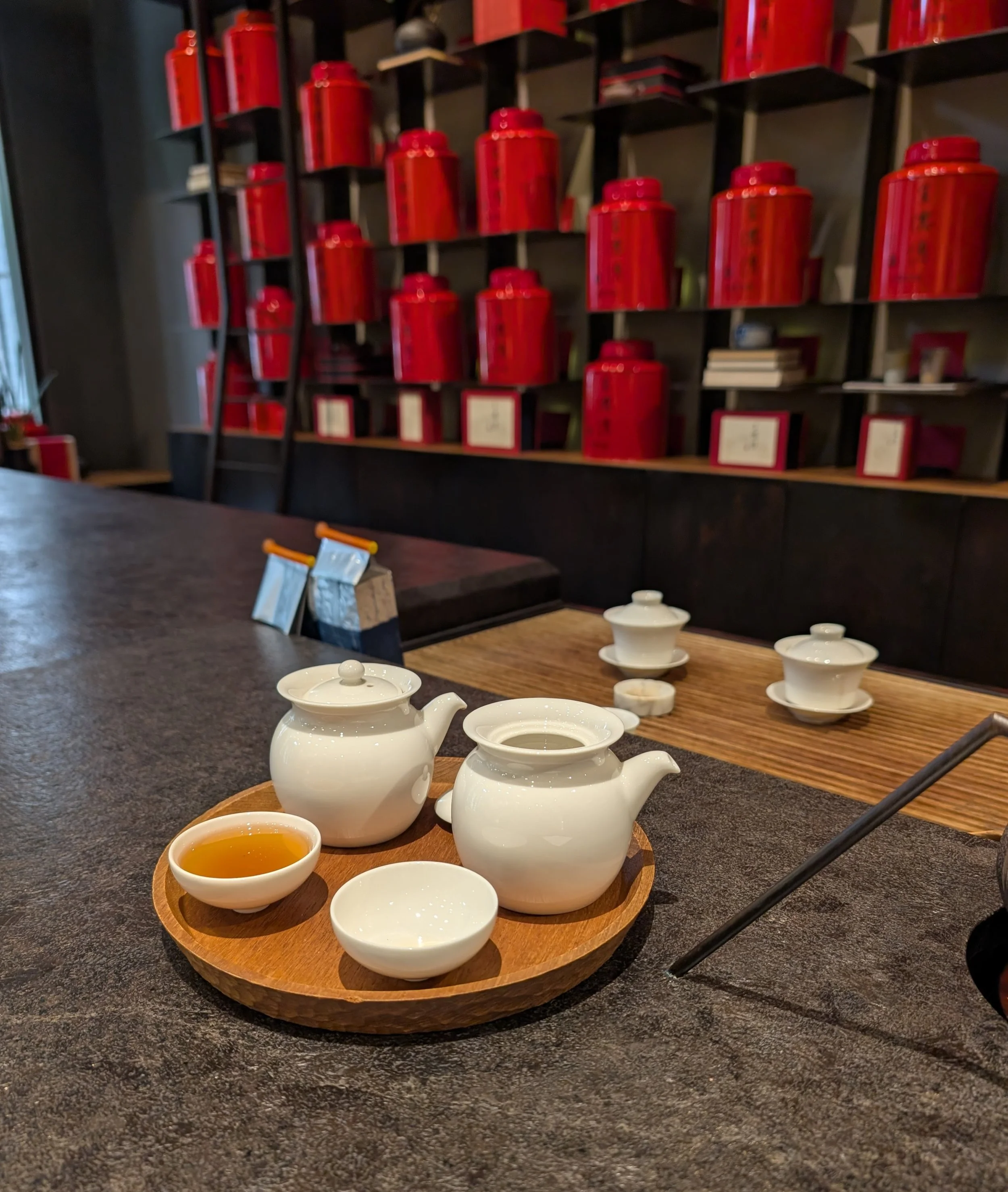
Wang De Chuan (王德傳)
My visit to Fusensen (浮生半閒) actually started back in my hotel room: they supplied the complimentary in-room tea, and I was so impressed by the quality that I made a point to visit their store. Even though I accidentally interrupted his lunch when I walked in, the owner's son graciously welcomed me and treated me to an unhurried, deeply informative tasting across their extensive menu. We worked our way through a Wild Lishan Honey Oolong (marrying high-altitude minerality with insect-bitten sweetness) alongside a Mifang Red Oolong from Luye, Taitung, explored various degrees of oxidation and roasting across ball-rolled high-mountain oolongs, and finally ended the session with sheng pu’er.
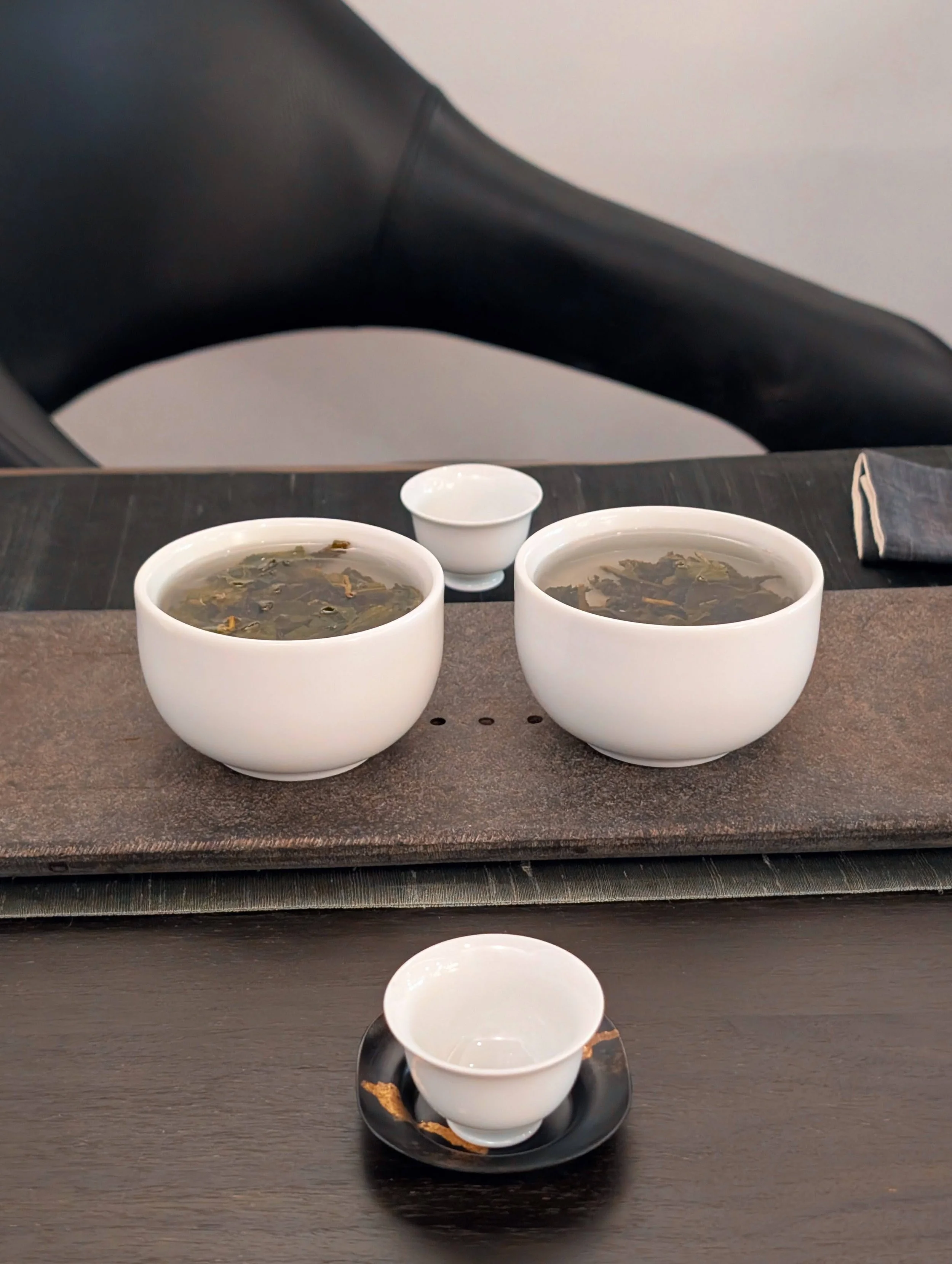
Side-by-side tea cupping at Fusensen (浮生半閒)
2. The Modern Tea Atelier: Design, Mixology, and Teaware
Taipei also has a creative side where tea intersects with contemporary design, artisan ceramics, and modern bar culture.
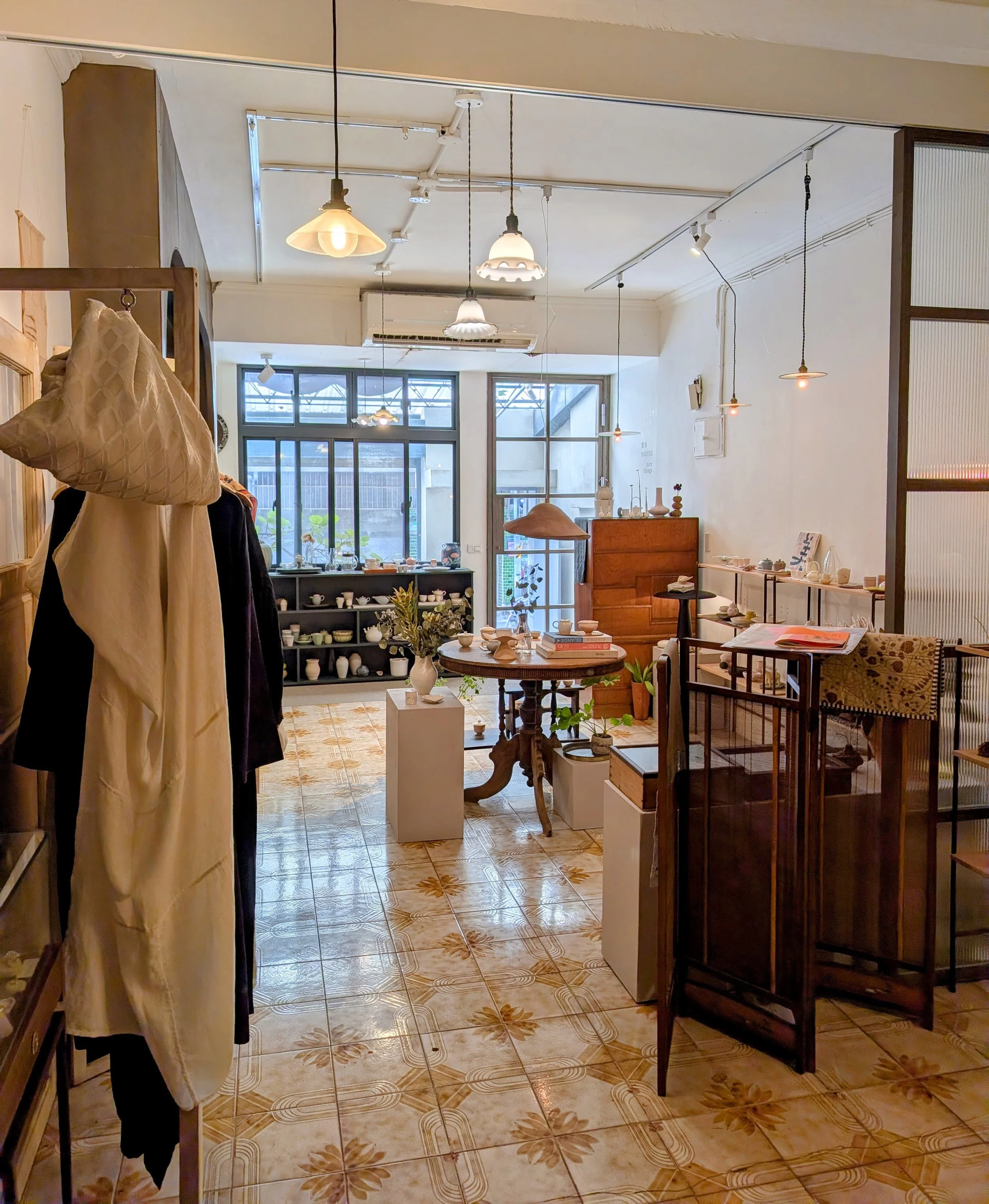
Honestea / Baotsu Select (清山寶珠)
In a quiet residential alley near Liuzhangli, Honestea / Baotsu Select (清山寶珠) bridges the gap between a heritage family tea shop and a contemporary design gallery. Founded by a second-generation Pinglin tea farming family, the front room curates handmade ceramics, lifestyle objects, and loose-leaf teas harvested directly from their family farm in Pinglin under warm vintage pendant lights, while the adjacent gallery hosts rotating teaware exhibitions. While they aren't currently offering seated tea service, browsing their farm-direct Pinglin teas alongside vessels from local potters makes it an easy, inspiring stop to pick up both great tea and handmade teaware to take home.
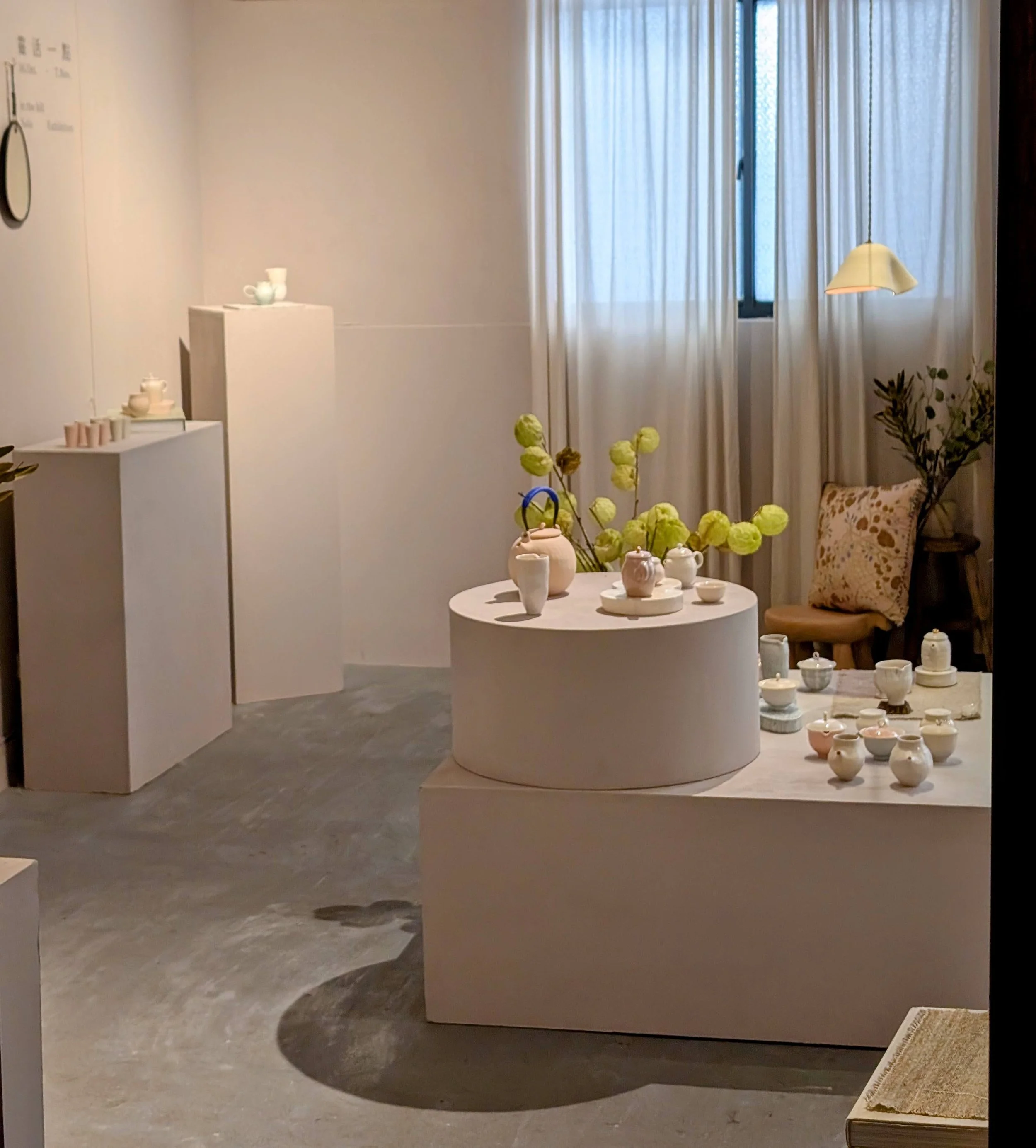
Honestea / Baotsu Select (清山寶珠)
For a completely different tempo, Astēa treats tea with the sleek precision of a modern cocktail bar. Settling into their minimalist, moody space, I explored their tea mocktails. By pairing single-origin tea bases with seasonal botanical reductions, citrus oils, and carbonation, Astēa highlights volatile aromatics in a way that feels fresh, exciting, and distinctly modern.
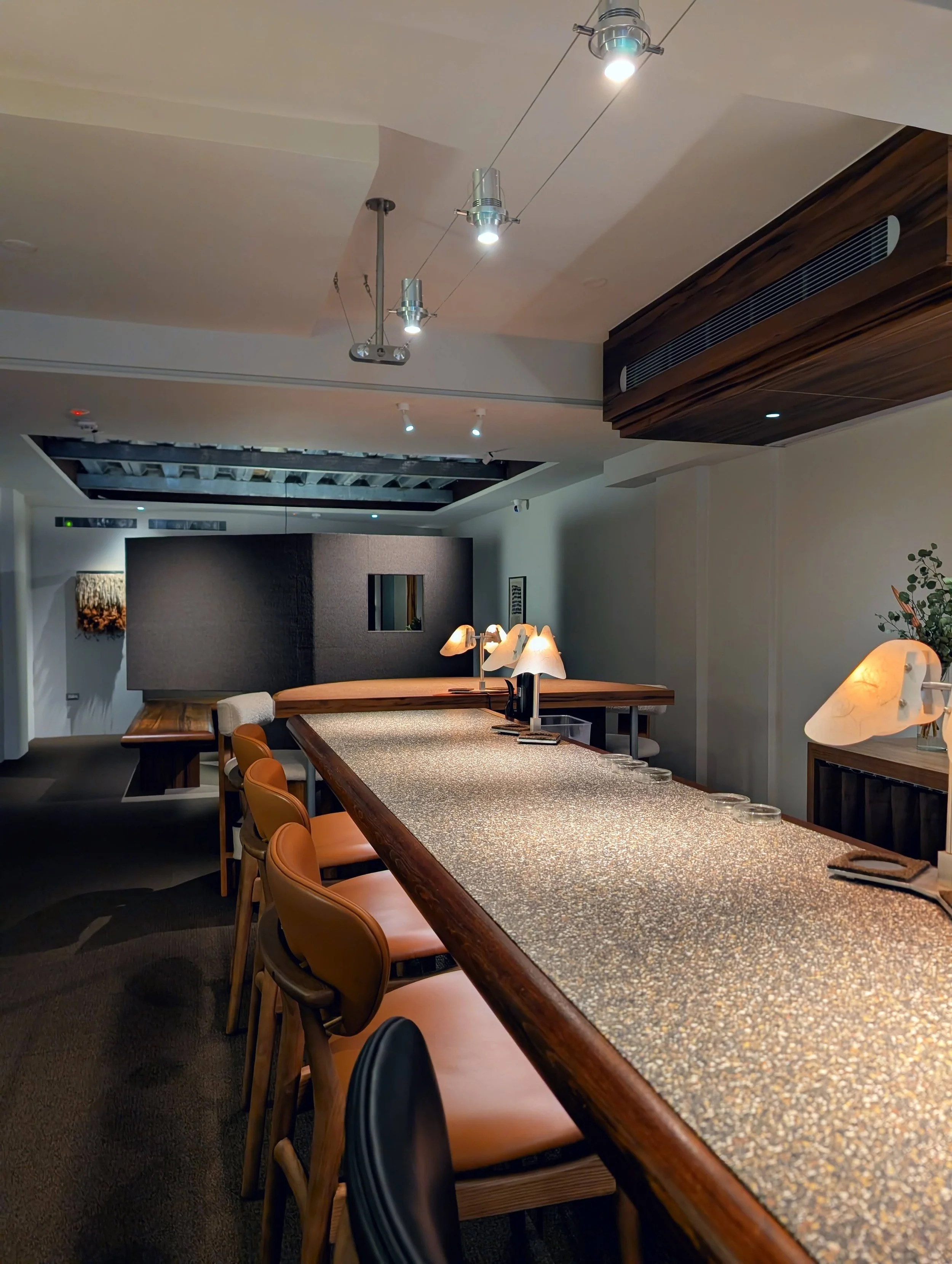
Astēa
For a much quieter, slower pace, Ainsi Thé is an intimate, reservation-preferred space where the focus is entirely on unhurried conversation and rare leaves. It was here that I tasted a competition-winning Oriental Beauty alongside my very first Dayuling oolong, the highest-elevation tea grown in Taiwan. It was truly one of the most memorable tea experiences I've had!
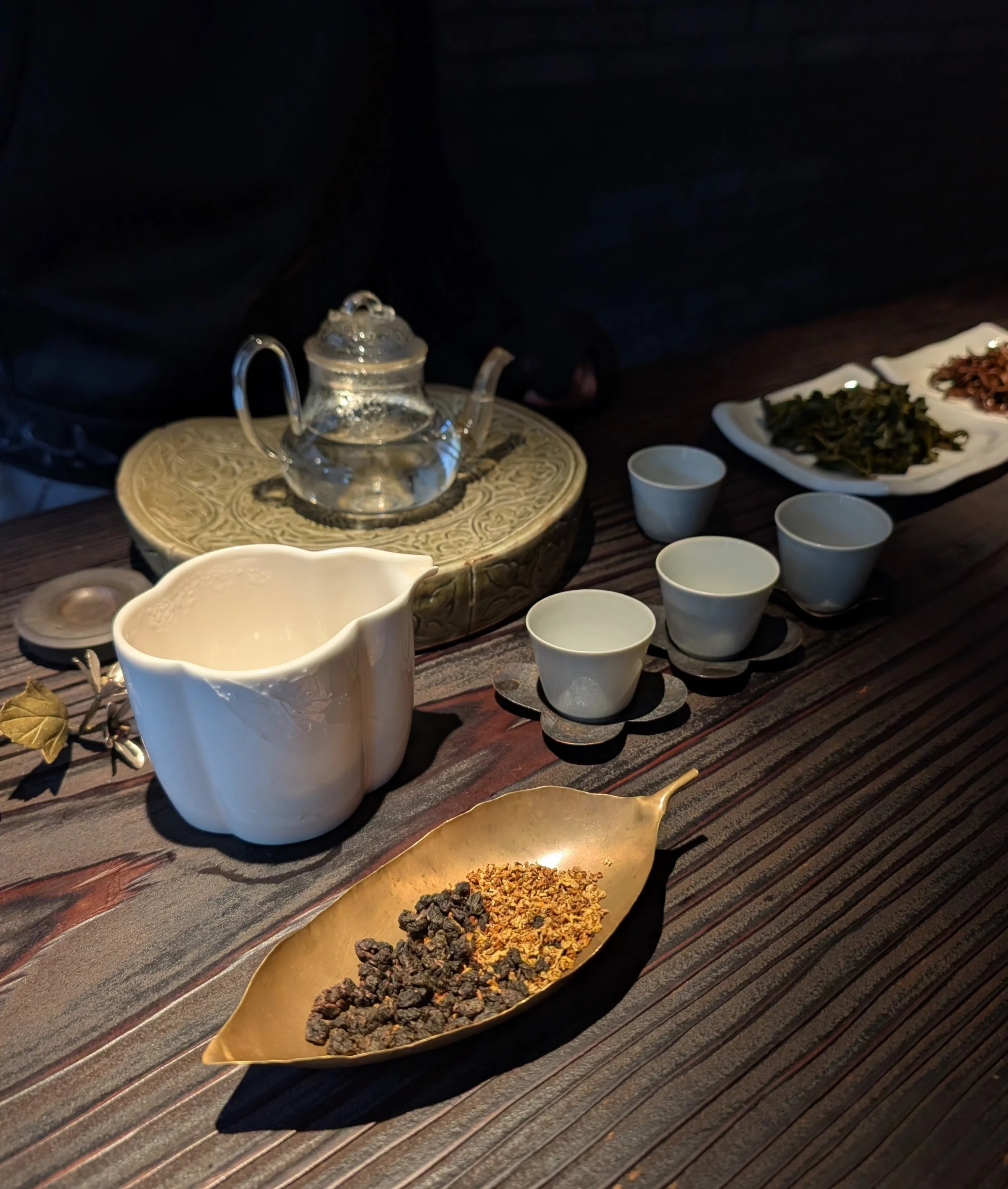
Tieguanyn oolong and osmanthus blossoms at Ainsi Thé
3. Culinary Intersections
When tea is woven into the fabric of a country's culture as a prized local product, chefs and pastry chefs who grew up surrounded by it have a special talent for how to pay homage to it.
At Quelques Pâtisseries (某某。甜點), French pastry technique meets Taiwanese tea with remarkable results. Their Oolong Mont Blanc balances delicate chestnut purée with a bright strawberry core and a fragrant, floral oolong cream—and as someone who grew up eating chestnuts and is a self-proclaimed Mont Blanc snob, that is high praise. Their Chocolate Tieguanyin Tart, where bittersweet ganache is infused with the roasted, mineral, and stone-fruit depth of traditional Tieguanyin, was another standout from their lineup of edible art.
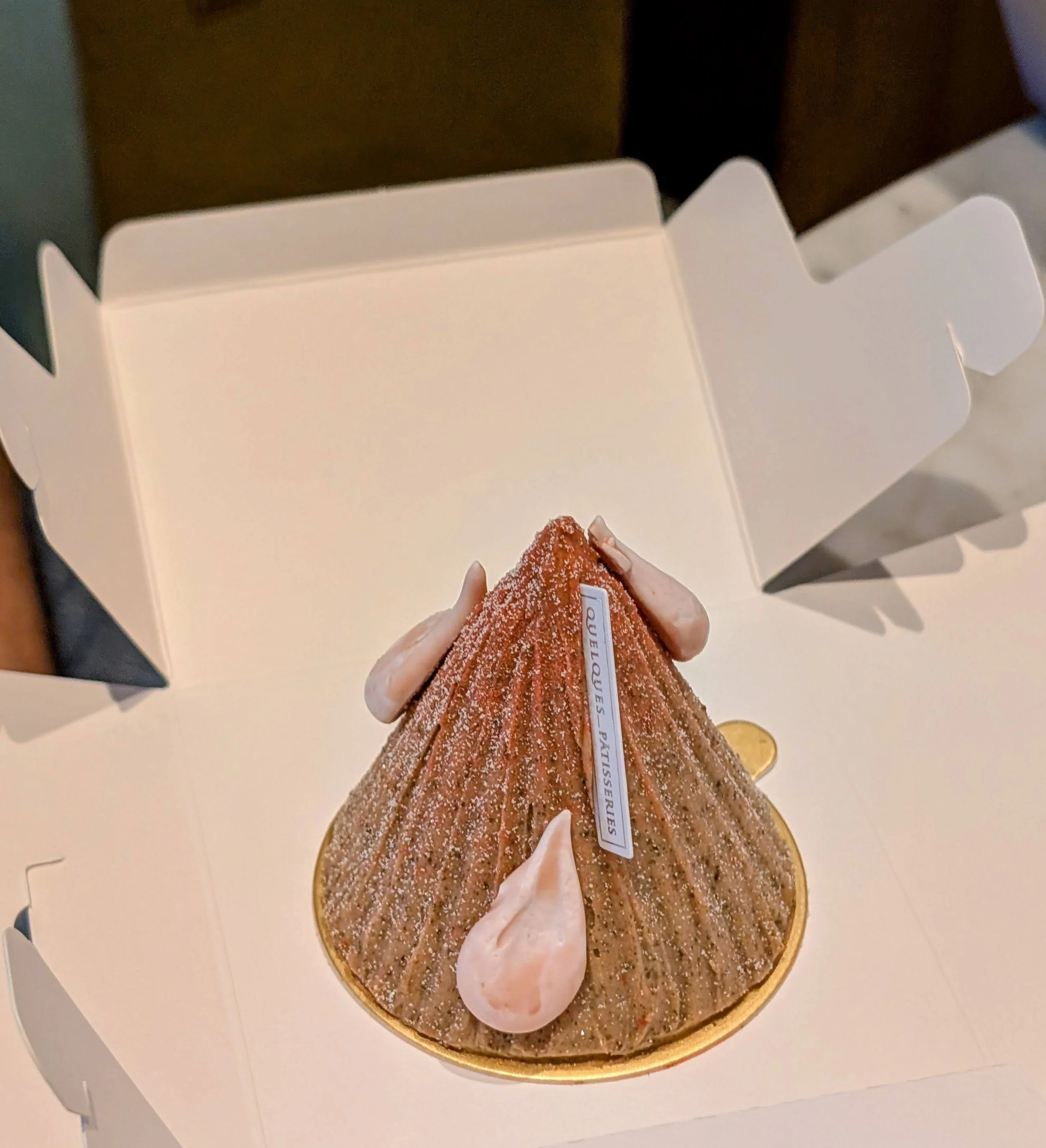
Oolong Fraise Mont Blanc from Quelques Pâtisseries (某某。甜點)
An honorable mention goes to Ephernité, the acclaimed farm-to-table French restaurant led by Chef Vanessa Huang. Beyond the exquisite, produce-driven tasting menu, Ephernité serves non-alcoholic sparkling Taiwanese oolong tea in stemware alongside the meal. This was one of the most heartfelt and memorable culinary experiences I’ve had in a long time. Vanessa and I bonded over our shared love for tea, and it was actually through her introduction that I met Angela Cheng, the owner of Ainsi Thé.
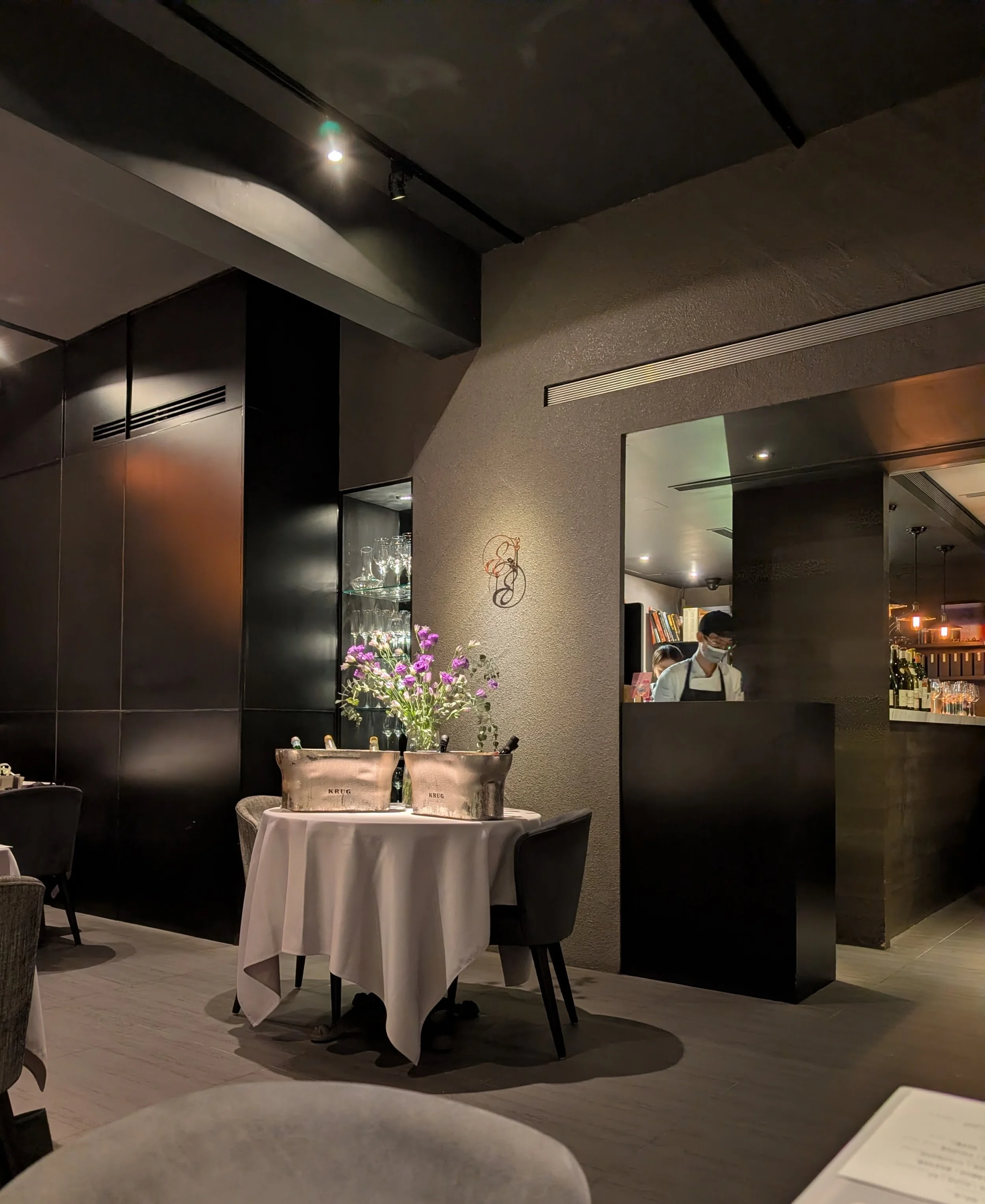
Ephernité, the acclaimed farm-to-table French restaurant led by Chef Vanessa Huang
4. The Tea Fields: Pinglin and Maokong
One of the best things about Taipei is how quickly you can trade city streets for lush, terraced tea gardens.
Just 40 minutes southeast of the city lies Pinglin, one of the primary growing districts for Wenshan Baozhong. Note that the Pinglin Tea Museum is closed on the first Monday of the month—so I went straight to Fortune Tea Garden (好運茶園) instead. We toured the garden, comparing Qing Xin and Jin Xuan plants side by side, and arrived right in the middle of the winter harvest processing. Watching the production steps happen in real time while inhaling the heady, fragrant aroma rising from the fresh leaves was incredible. Afterward, we headed upstairs to the tasting room to sample the unfinished winter tea mid-process alongside their spring Baozhong and a roasted version.
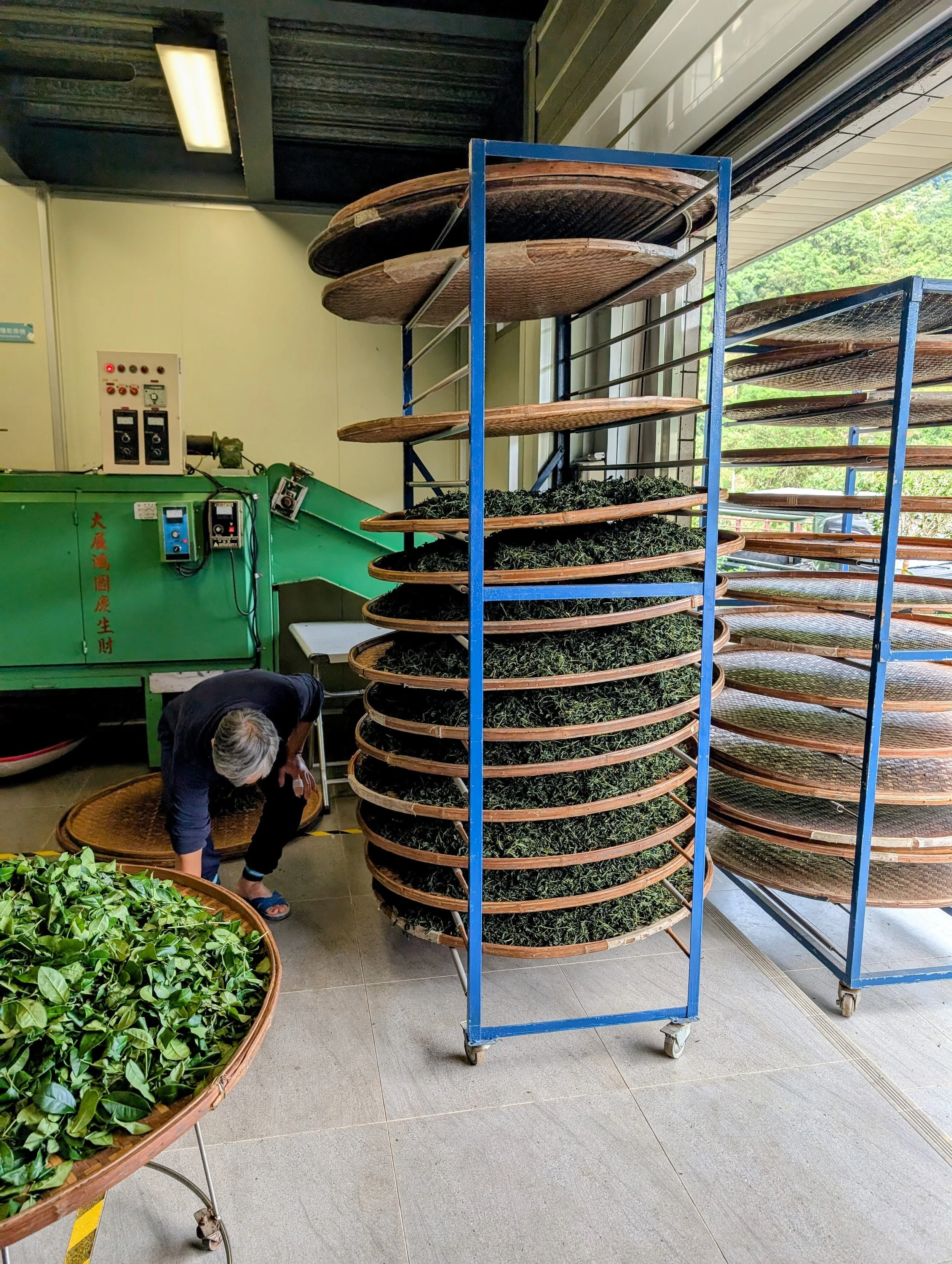
Fortune Tea Garden (好運茶園)
On the southern edge of the city, riding the Maokong Gondola up into the mountains delivers you straight into the historic home of Taiwanese Tieguanyin. We stopped at Meijia Tea Garden (美加茶園)—run by eighth-generation tea farmers—to brew their signature traditionally roasted Tieguanyin on an open-air terrace overlooking the hillsides; they also have a restaurant serving dishes cooked with tea leaves and tea seed oil if you want to stay for a meal. Because it was an unusually hot day, we kept our itinerary short to avoid heat exhaustion, but Maokong is filled with tea gardens and teahouses—and the views are fantastic.
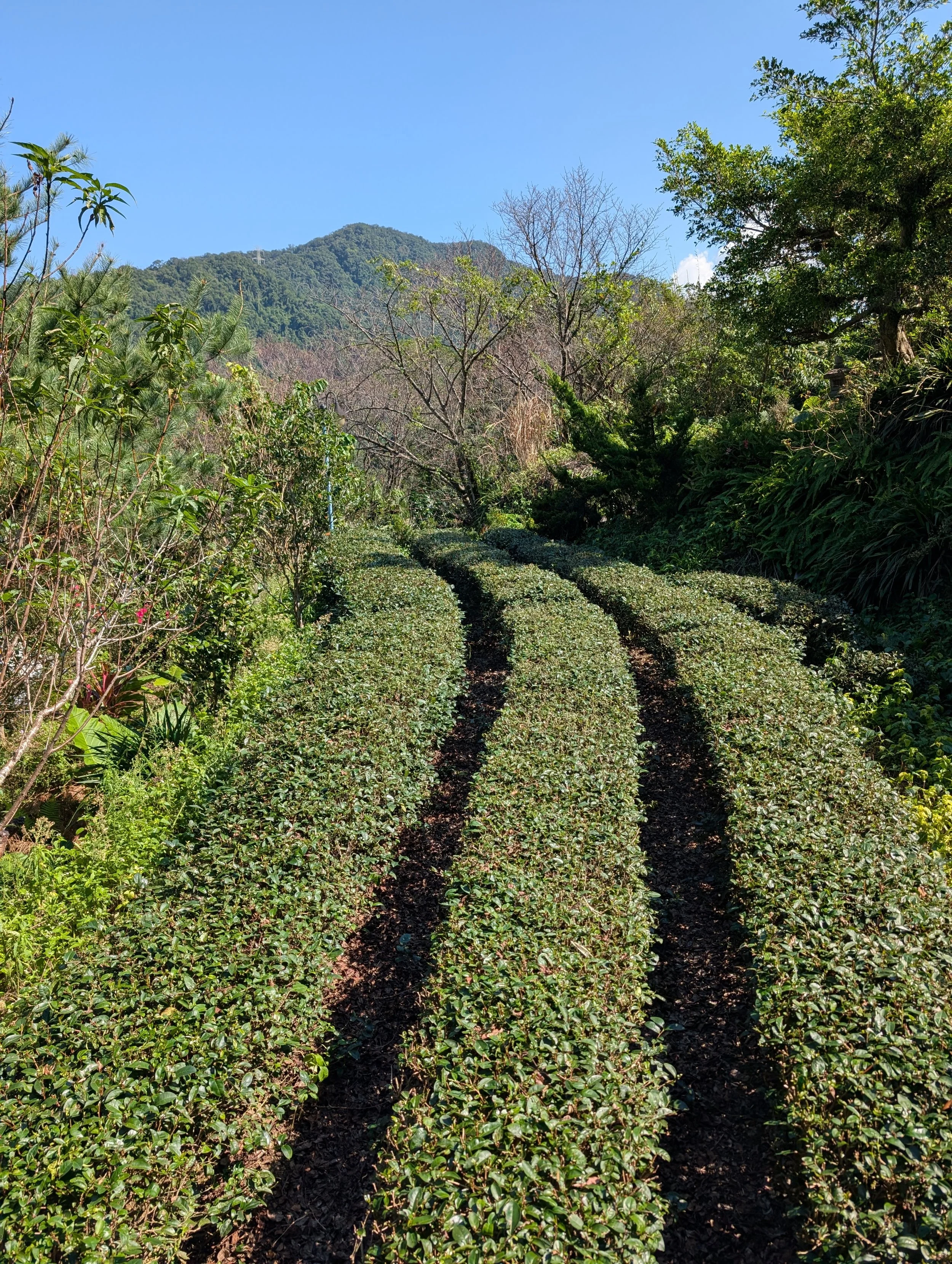
Meijia Tea Garden (美加茶園)
Between Taipei’s modern tea rooms and surrounding tea fields, two trips still leave plenty left to explore—and I already know I’ll be back for more.
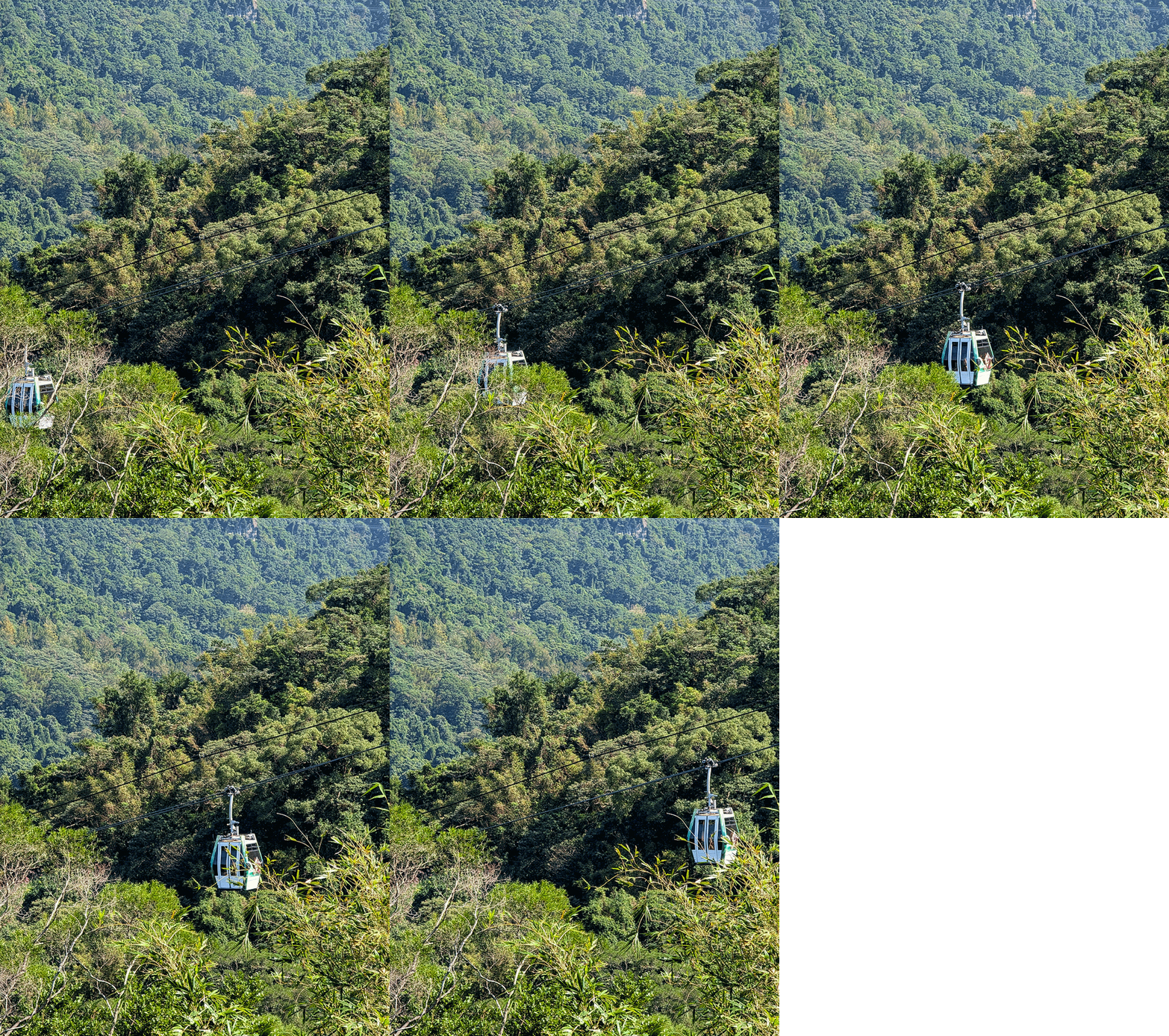
The Maokong Gondola
Because navigating a new city's tea scene can be overwhelming, I made you a custom Google Map with every spot mentioned. You're welcome!
Have you been to any of these places in Taipei, or do you have a favorite Taiwanese oolong? Let me know in the comments below!